Browse 37 practical plant guides with quick facts, care notes, troubleshooting, and seasonal growing advice.
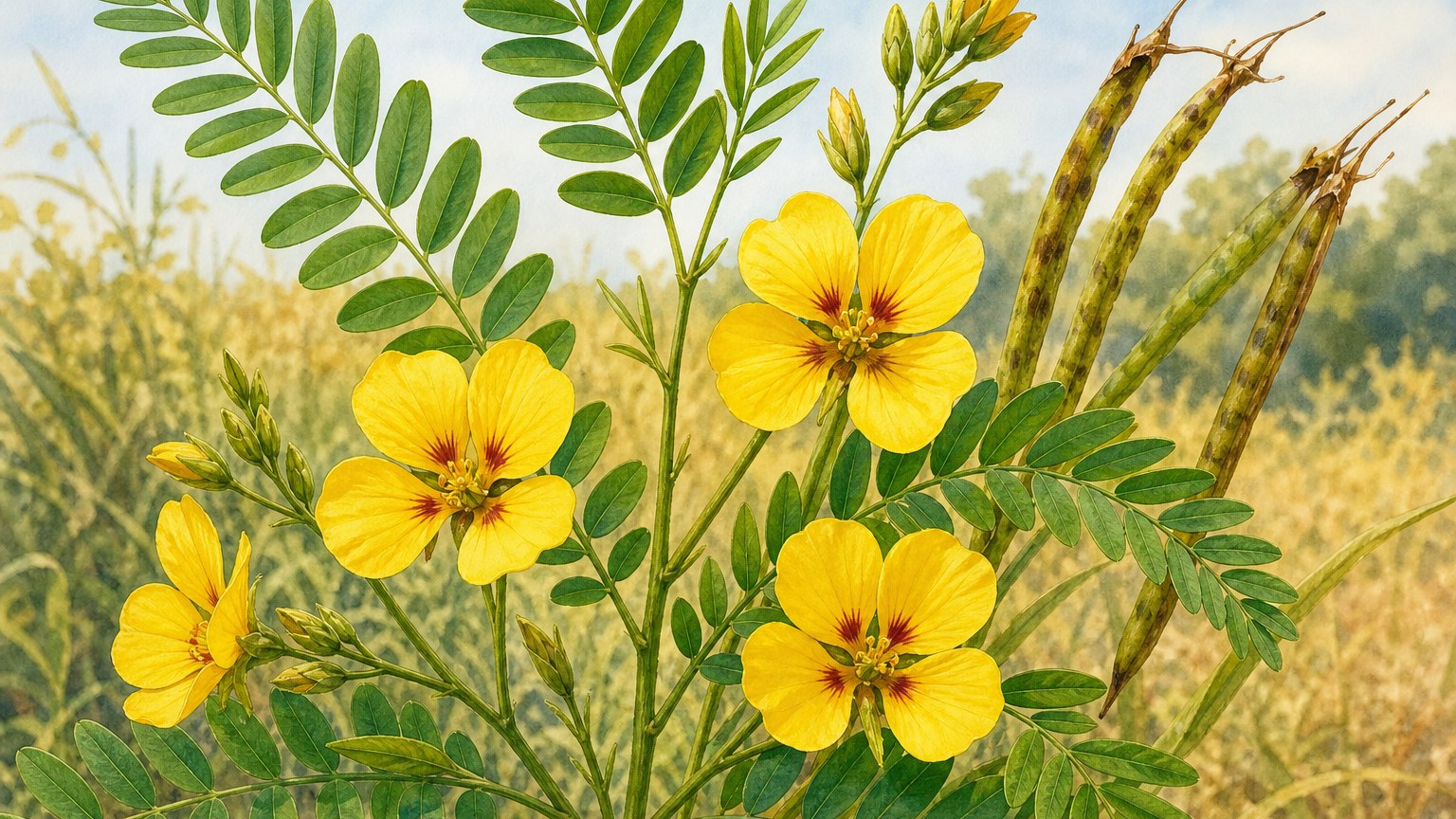
Chamaecrista fasciculata
A Virginia-native annual legume that self-seeds into cheerful yellow-flowering colonies, feeds pollinators, fixes nitrogen, and works as a sacrificial deer-browse strip along sunny woodland edges.
Favorite variety: Virginia ecotype partridge pea
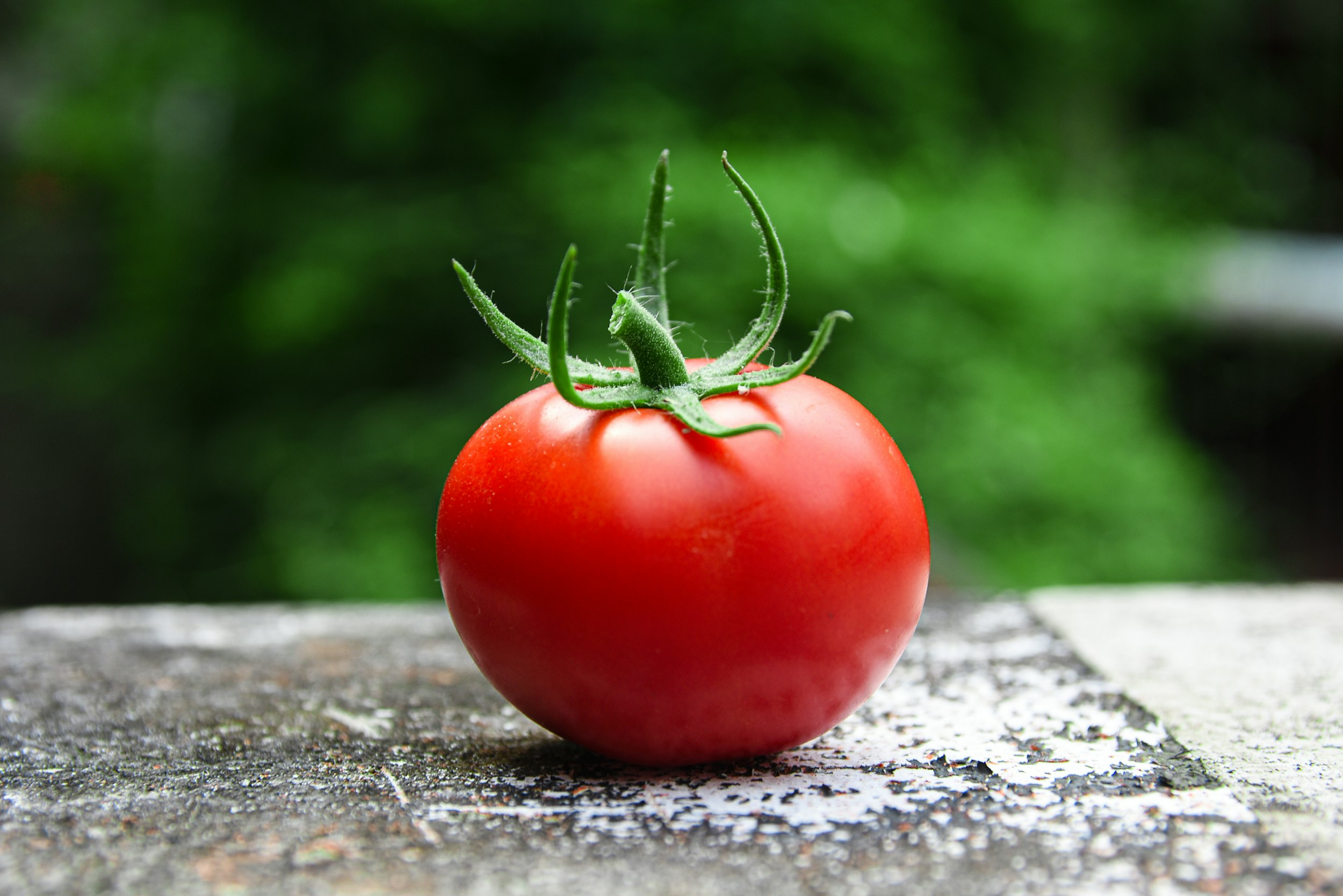
Solanum lycopersicum
The crown jewel of the summer garden, tomatoes are versatile, nutritious, and incredibly rewarding to grow at home.
Favorite variety: Celebrity
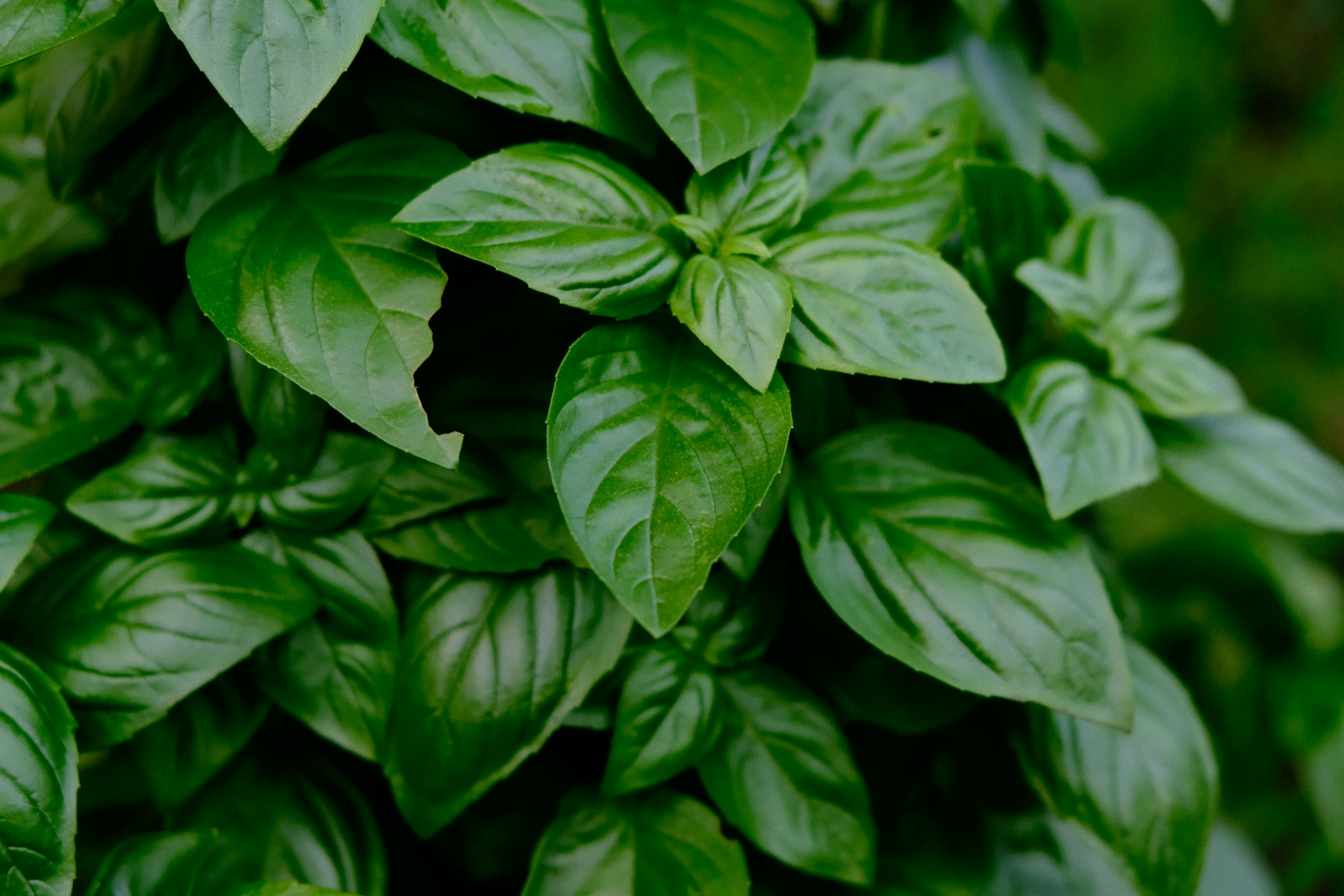
Ocimum basilicum
An aromatic herb essential for any kitchen garden, basil is easy to grow and pairs perfectly with tomatoes both in the garden and on the plate.
Favorite variety: Genovese
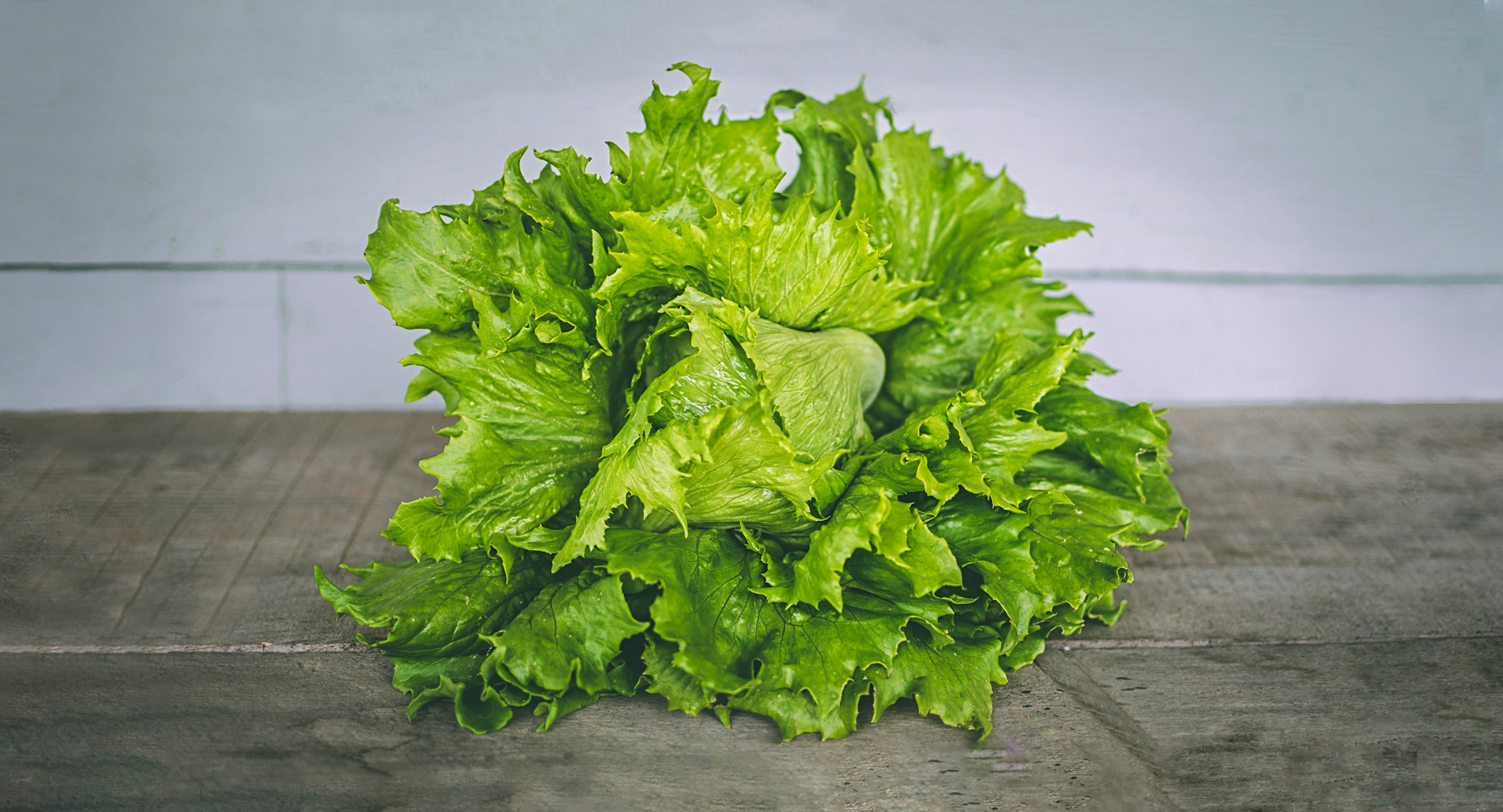
Lactuca sativa
A cool-season crop perfect for beginners, lettuce grows quickly and provides fresh salad greens throughout spring and fall.
Favorite variety: Salad Bowl
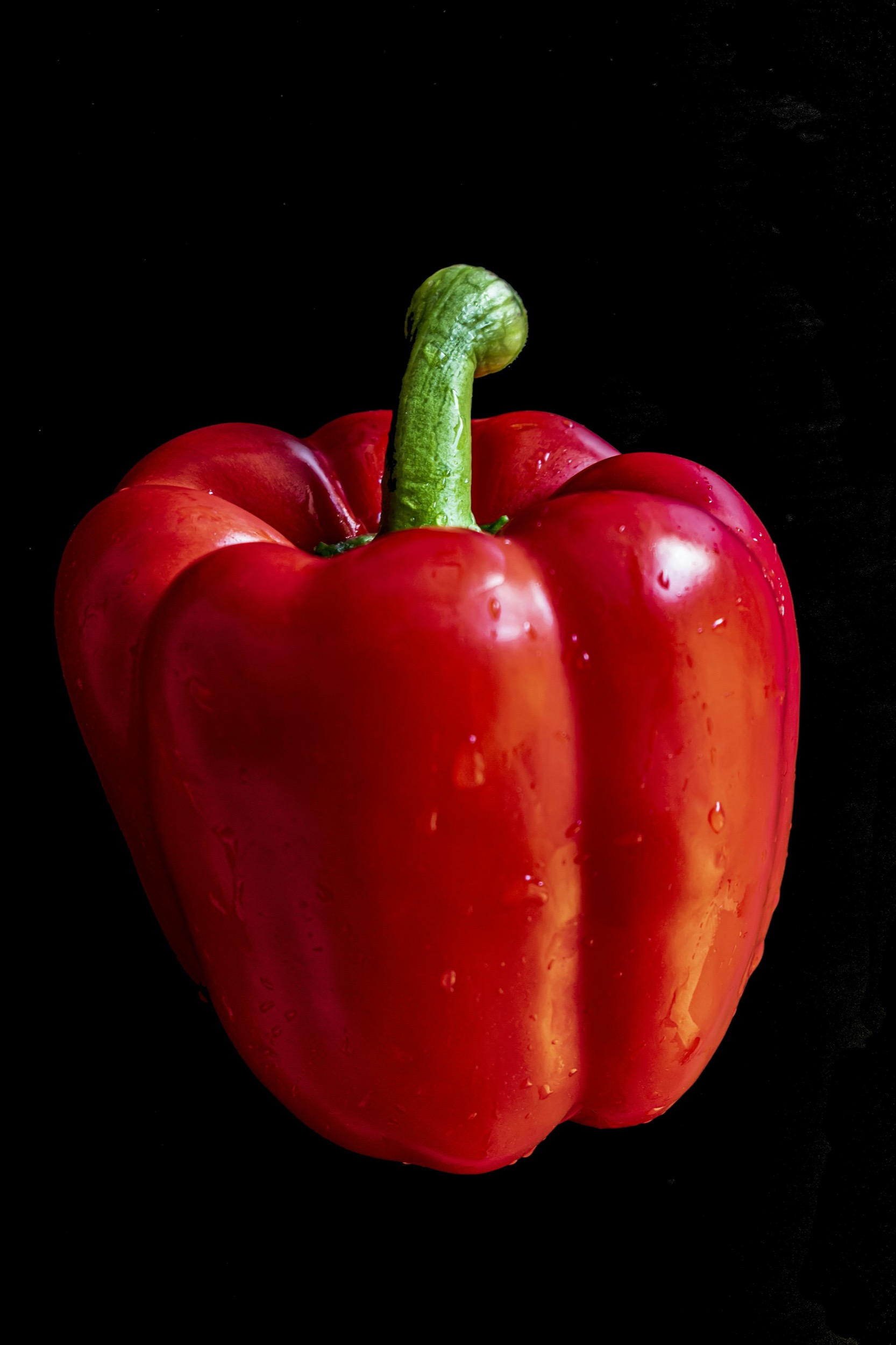
Capsicum annuum
From sweet bells to spicy jalapeños, peppers add color, flavor, and nutrition to your garden and kitchen.
Favorite variety: Ace
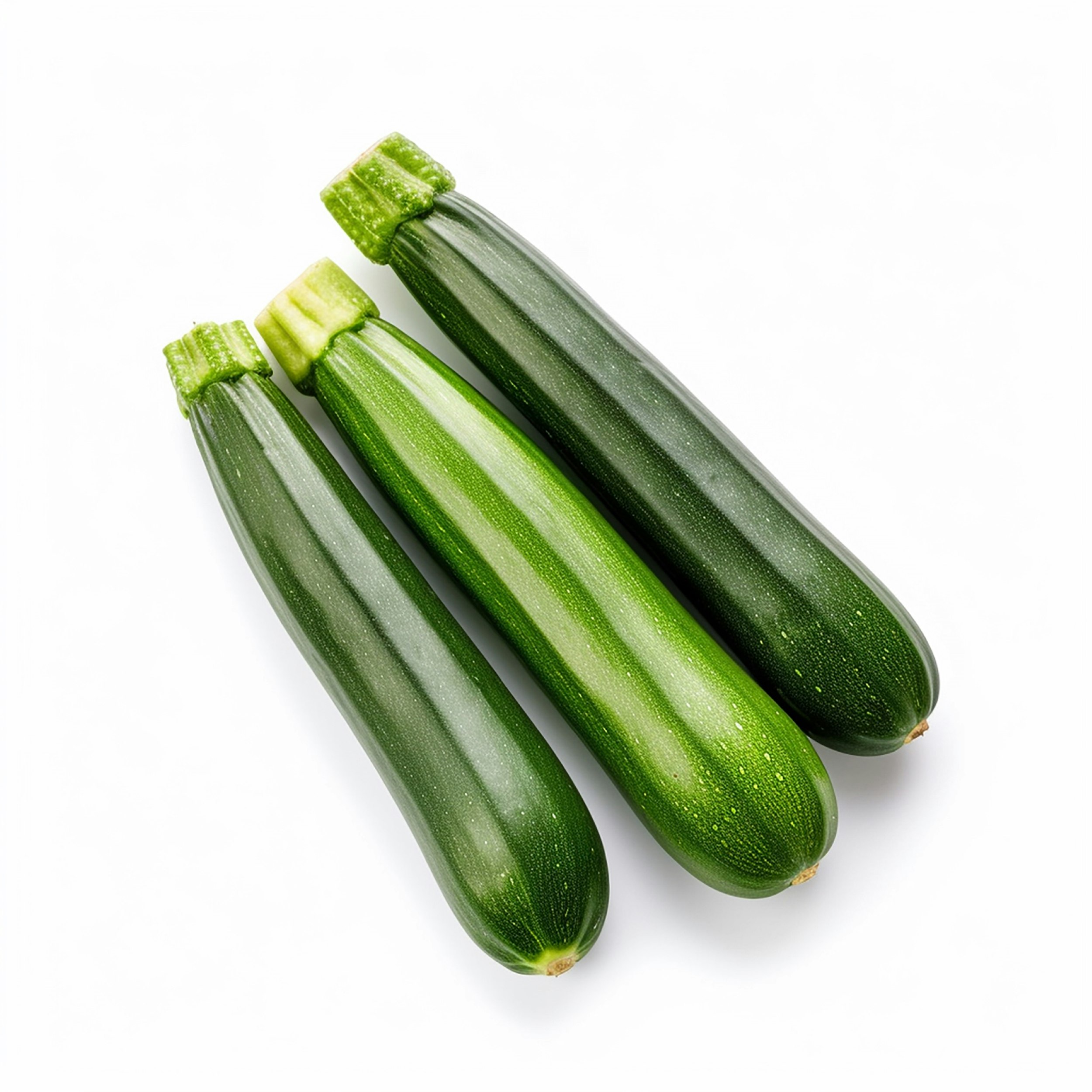
Cucurbita pepo
A prolific summer squash that's perfect for beginners, one or two plants can feed a family all season long.
Favorite variety: Black Beauty
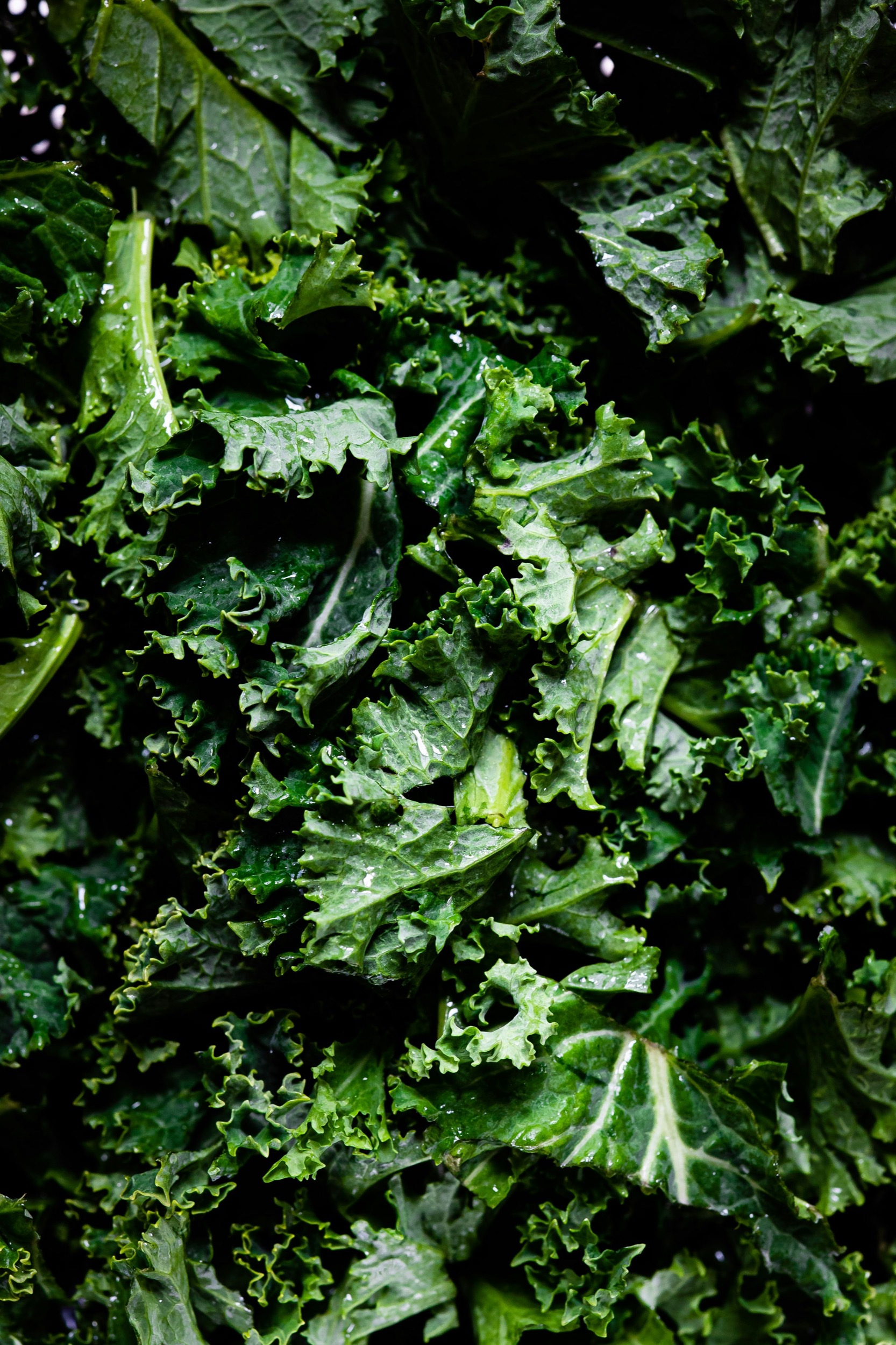
Brassica oleracea var. sabellica
A nutritional powerhouse that thrives in cool weather, kale becomes sweeter after frost and can produce for months.
Favorite variety: Lacinato
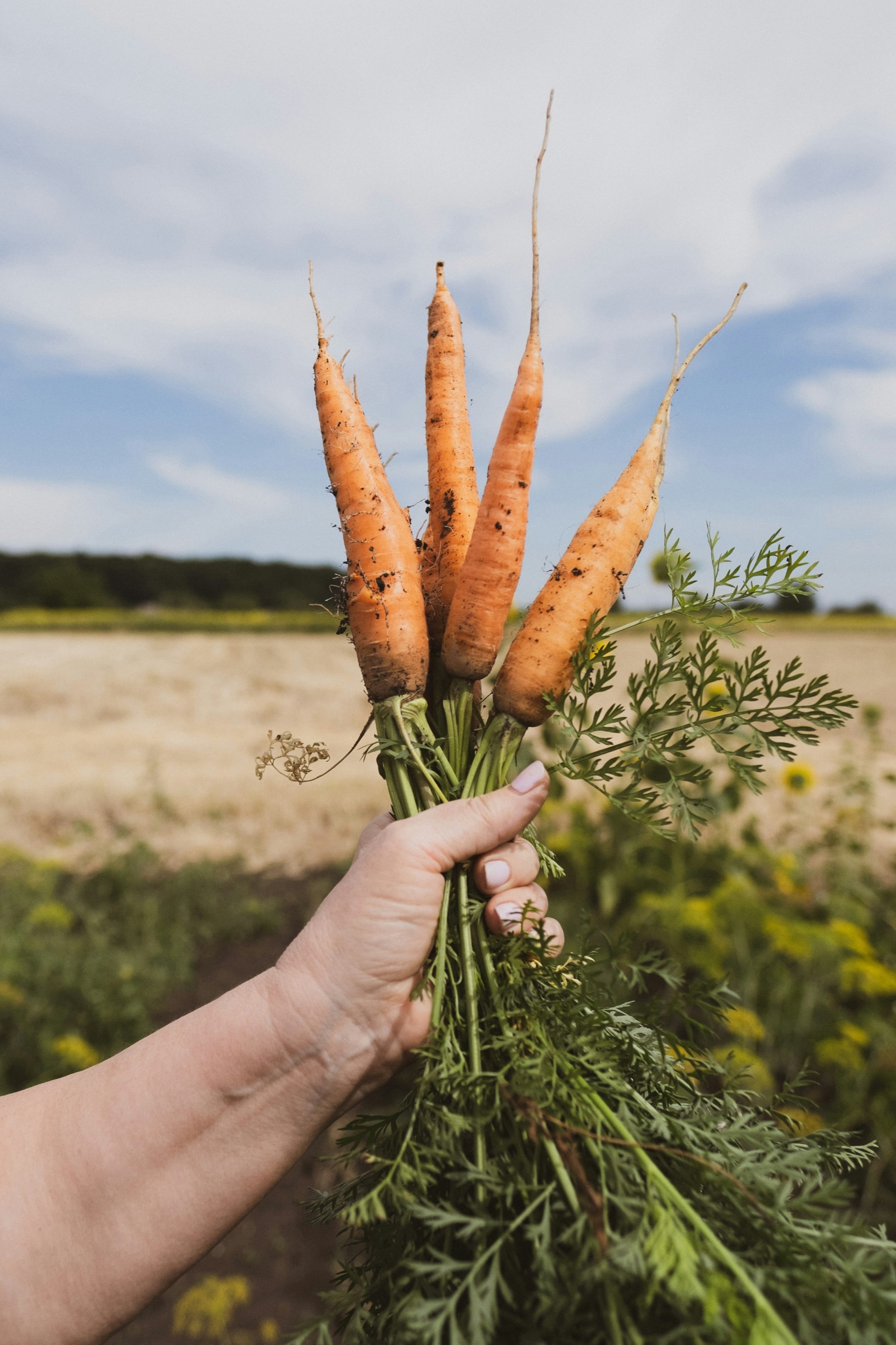
Daucus carota
Sweet, crunchy, and packed with nutrients, homegrown carrots have incomparable flavor and can be grown in even small spaces.
Favorite variety: Napoli
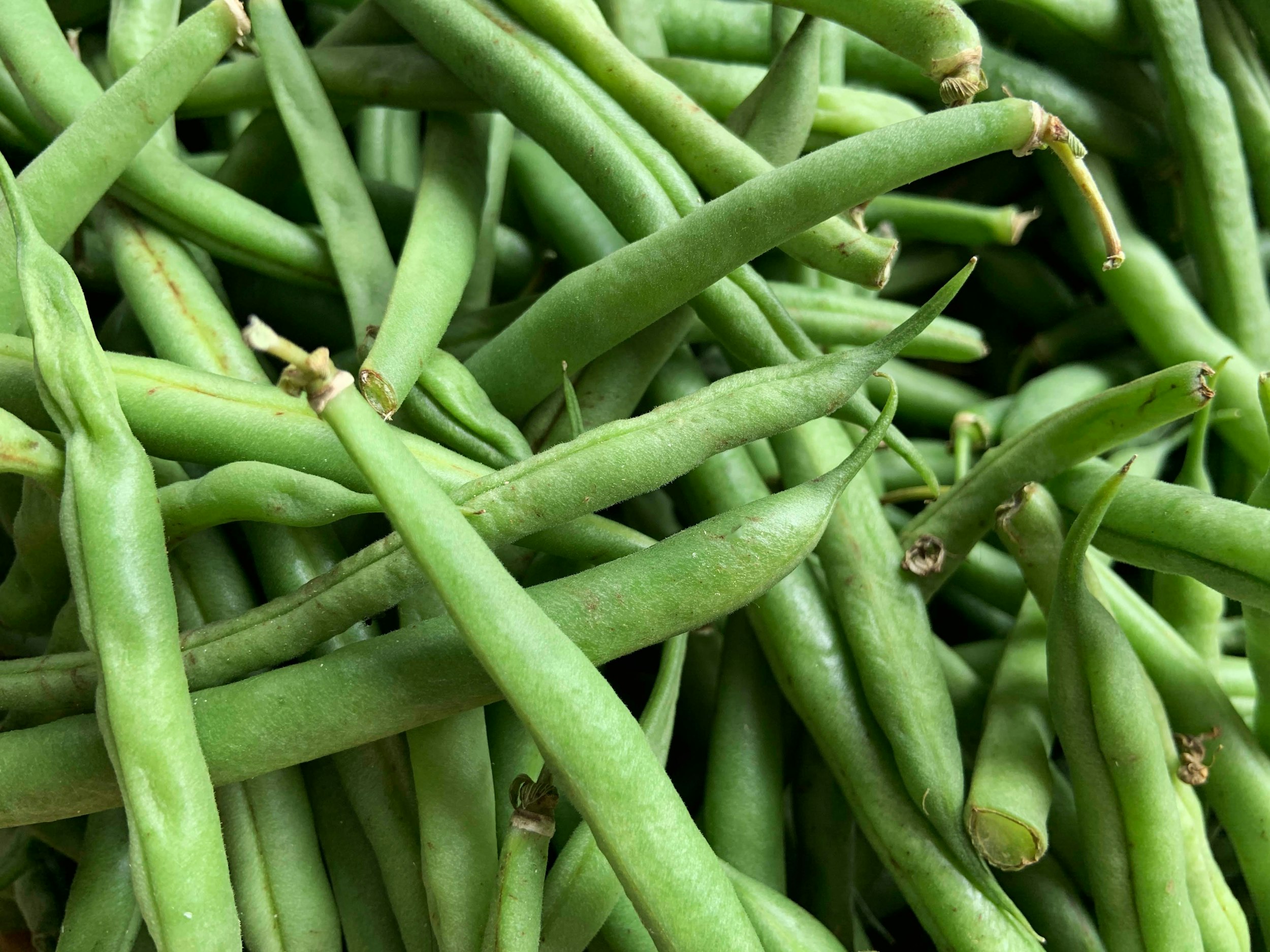
Phaseolus vulgaris
Easy to grow and highly productive, green beans are perfect for succession planting and provide harvests all summer long.
Favorite variety: Provider
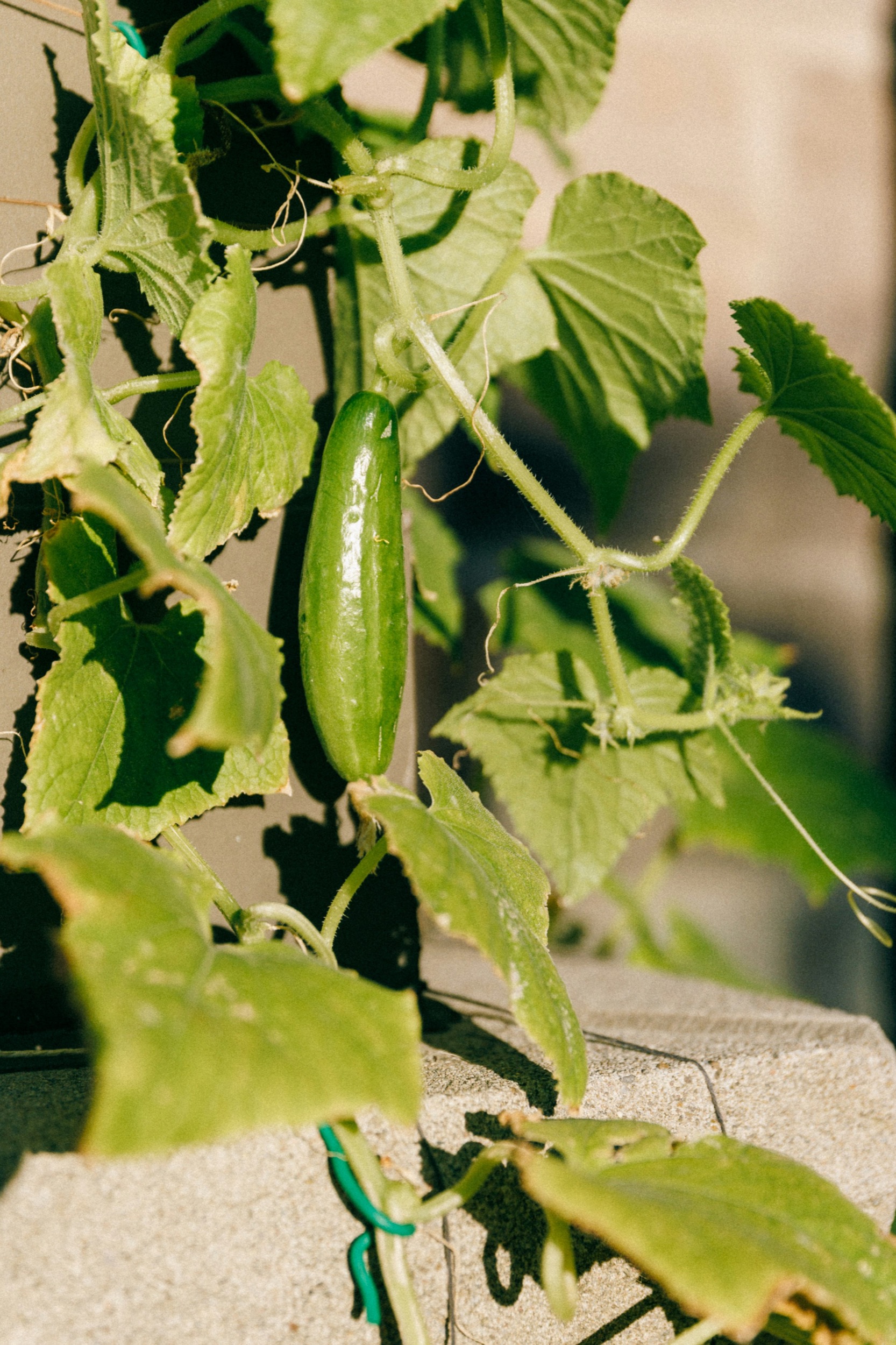
Cucumis sativus
Refreshing and productive, cucumbers are great for fresh eating and pickling, with varieties suited for any garden size.
Favorite variety: Marketmore 76
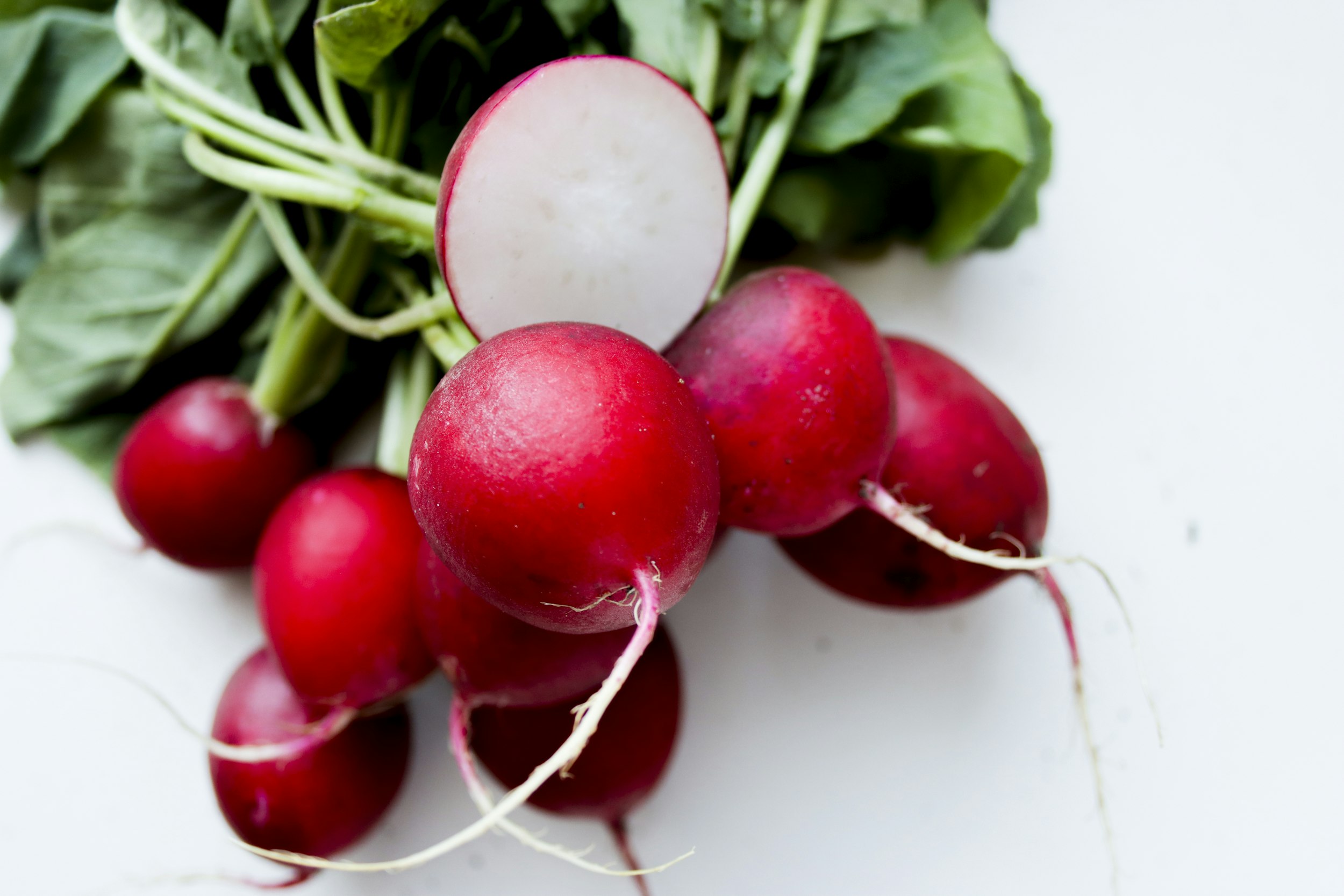
Raphanus sativus
The fastest growing vegetable in the garden, radishes are perfect for beginners and great for succession planting.
Favorite variety: Cherry Belle
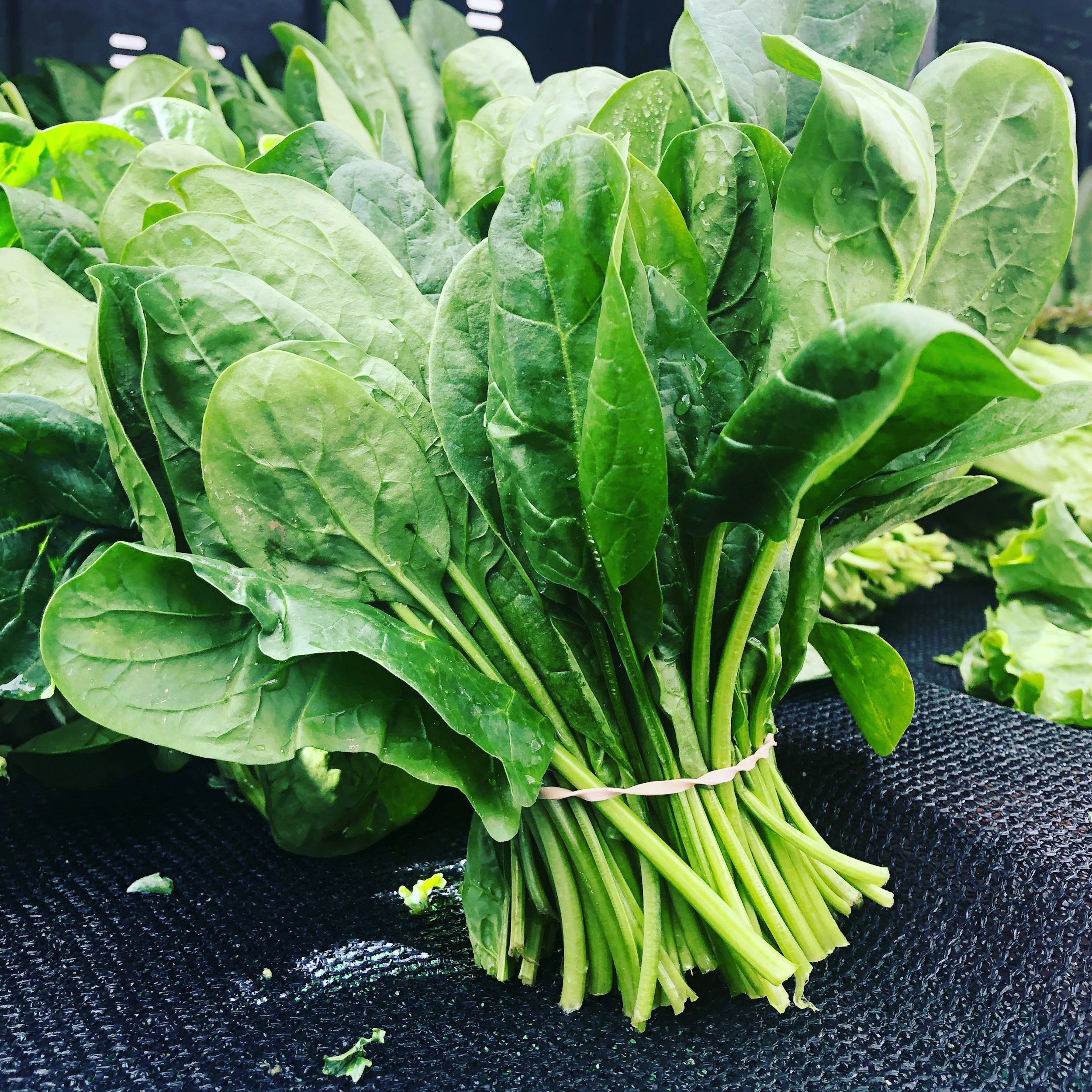
Spinacia oleracea
A cool-season green packed with nutrients, spinach is easy to grow in spring and fall, perfect for small spaces.
Favorite variety: Bloomsdale

Asclepias syriaca
A bold milkweed for the back edge of a sunny Virginia habitat bed. It is not tidy, and that is the point: common milkweed makes room for monarch caterpillars, summer nectar, and the loose, layered cover that a firefly strip needs. Give it a place where spreading is welcome.
Favorite variety: Straight species
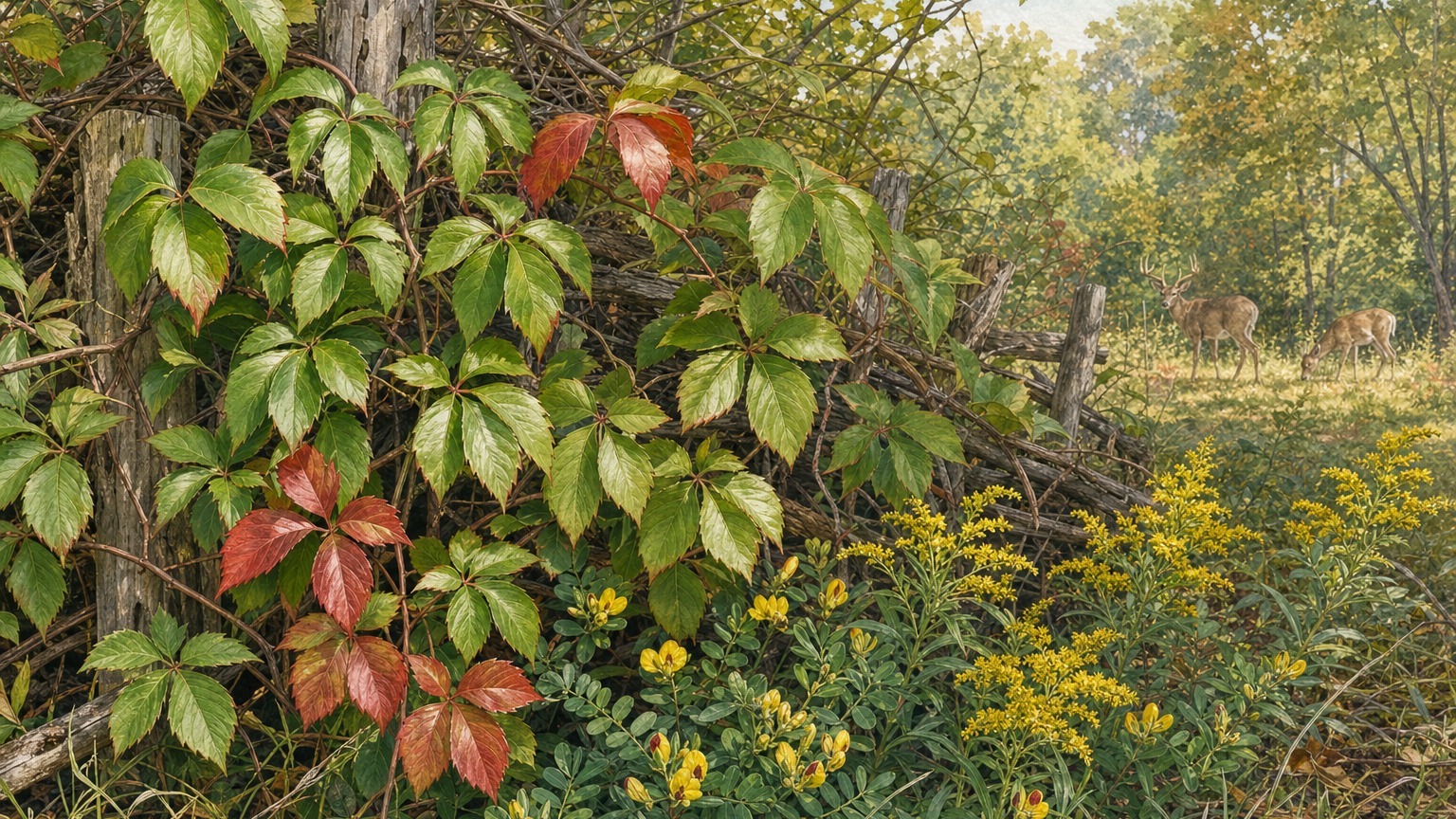
Parthenocissus quinquefolia
A vigorous Virginia-native vine for woodland edges, fence lines, and sacrificial deer corridors. It climbs, sprawls, roots along edges, feeds birds with berries, turns brilliant red in fall, and can absorb browse pressure where a wild buffer is welcome.
Favorite variety: Straight species

Asclepias incarnata
The milkweed to start with if the yard has a rain-garden edge or a damp low spot. Swamp milkweed has the monarch value people want, but it behaves better than common milkweed in a visible home landscape. In Central Virginia clay, that matters.
Favorite variety: Straight species

Pycnanthemum virginianum
A workhorse pollinator plant with a clean look and a wild heart. Virginia mountain mint pulls in bees, wasps, butterflies, and tiny beneficial insects for weeks. It spreads, but in a meadow edge that is usually a feature, not a flaw.
Favorite variety: Straight species

Monarda fistulosa
Wild bergamot gives a Virginia meadow bed that loose lavender haze that feels alive rather than landscaped. It feeds bees, butterflies, and hummingbirds, but it needs air. Cram it into a humid corner and powdery mildew will probably show up.
Favorite variety: Straight species

Solidago rugosa
Goldenrod is the fall fuel station. Wrinkleleaf goldenrod fits Central Virginia meadow edges well, especially where you want late nectar without pretending the garden is finished in August. It does not cause hay fever; ragweed gets that blame.
Favorite variety: Straight species

Symphyotrichum novae-angliae
Aster is what keeps a pollinator bed open late. New England aster brings purple fall flowers, migrating monarch fuel, and seed for birds, but it is tall enough to need a real place in the plan. Put it behind shorter plants or cut it back in June.
Favorite variety: Straight species

Rudbeckia hirta
Black-eyed Susan is the easy first win. It gives a new habitat bed color fast while slower perennials settle in. In a Central Virginia yard, treat it as a cheerful self-seeder rather than a forever clump.
Favorite variety: Straight species

Lindera benzoin
Spicebush is one of the best shrubs for making a shady Virginia edge feel intentional. It flowers early, feeds spicebush swallowtail caterpillars, and gives birds red fruit if you plant a female with a male nearby.
Favorite variety: Straight species

Itea virginica
A polished native shrub for the place where lawn drops into shade or a rain garden. Virginia sweetspire has fragrant spring flowers, good fall color, and enough suckering habit to hold a damp edge without looking messy.
Favorite variety: Straight species

Aquilegia canadensis
Eastern columbine is a small spring spark for the woodland edge. It is not a heavy structural plant, but it earns its space by feeding hummingbirds and early pollinators before the summer meadow plants take over.
Favorite variety: Straight species

Conoclinium coelestinum
Blue mistflower is beautiful and a little pushy. In the right Central Virginia spot, a moist edge where it can make a colony, that is exactly what you want. The late blue flowers bring butterflies when the garden starts to look tired.
Favorite variety: Straight species

Eurybia divaricata
White wood aster is the quiet fix for dry shade. It threads through a woodland edge, flowers late, and keeps the shady side of a firefly strip from turning into mulch and nothing else.
Favorite variety: Straight species

Cephalanthus occidentalis
Buttonbush belongs in the wettest part of the plan. The white globe flowers are a pollinator magnet, and the shrub gives a ditch, pond edge, or rain-garden corner the height a flat planting often lacks. Do not squeeze it into a tiny bed.
Favorite variety: Straight species

Lobelia cardinalis
Cardinal flower is the red flag in a damp Virginia habitat strip. It wants moisture, rewards it with hummingbirds, and often behaves like a short-lived perennial that moves by seed instead of staying politely in one exact spot.
Favorite variety: Straight species

Eutrochium purpureum
Joe-Pye weed is not subtle. Use it where the firefly strip needs height, late-summer nectar, and a plant that can visually hold its own against shrubs and grasses. In a small yard, put it in the back and consider cutting it back in June.
Favorite variety: Straight species

Juncus effusus
Soft rush is the practical plant for the wet problem spot. It gives a rain garden or ditch edge clean vertical texture, holds soil, and does not ask for much once its feet are wet. It is not a dry-border plant.
Favorite variety: Straight species

Schizachyrium scoparium
Little bluestem is the easiest grass to love in a sunny Virginia habitat strip. It brings upright summer texture, copper winter color, bird seed, and cover at ground level without needing rich soil or irrigation.
Favorite variety: Straight species
Panicum virgatum
Switchgrass is the tall structural grass for Central Virginia meadows, swales, and rain-garden edges. It can handle more moisture than little bluestem and gives birds, insects, and the whole bed a place to disappear into.
Favorite variety: Straight species

Elymus virginicus
Virginia wildrye gives the habitat strip an early-season grass layer before warm-season grasses wake up. It fits woodland edges, moist meadows, and part-shade transitions where little bluestem would sulk.
Favorite variety: Straight species

Carex pensylvanica
Pennsylvania sedge is the lawn alternative for shade where turf gets thin. It makes a low, fine-textured layer under shrubs and along woodland edges, exactly the kind of cool cover that makes a firefly corner feel less exposed.
Favorite variety: Straight species

Chasmanthium latifolium
River oats is one of the best grasses for shade, especially where the soil stays a little damp. The dangling seed heads look great, but they also seed around. Use it where movement is welcome or be ready to edit seedlings.
Favorite variety: Straight species
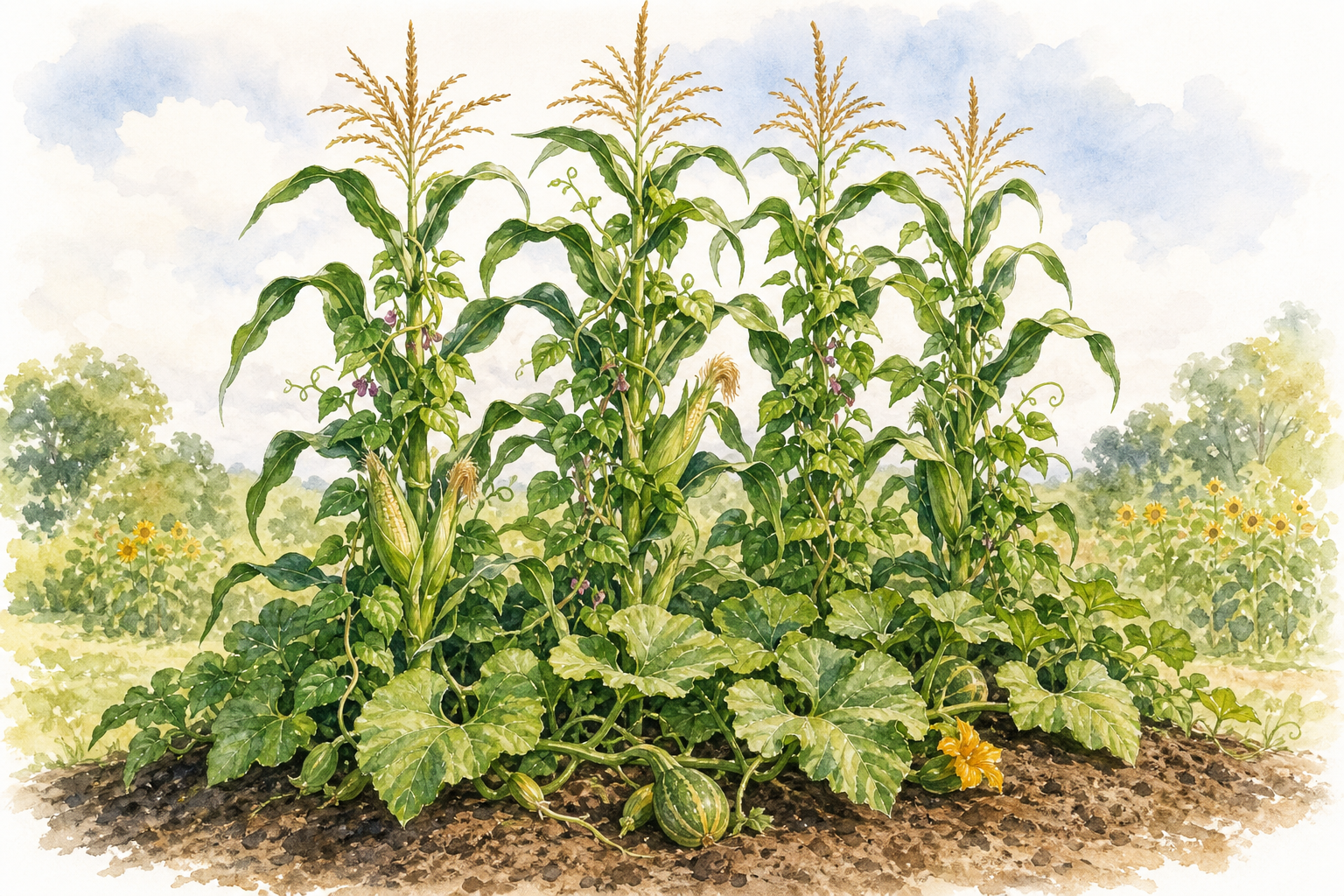
Zea mays
Corn is the upright anchor of the Three Sisters guild: it turns summer sun into a living trellis for pole beans while creating a harvestable grain or sweet-corn crop for the garden.
Favorite variety: Silver Queen
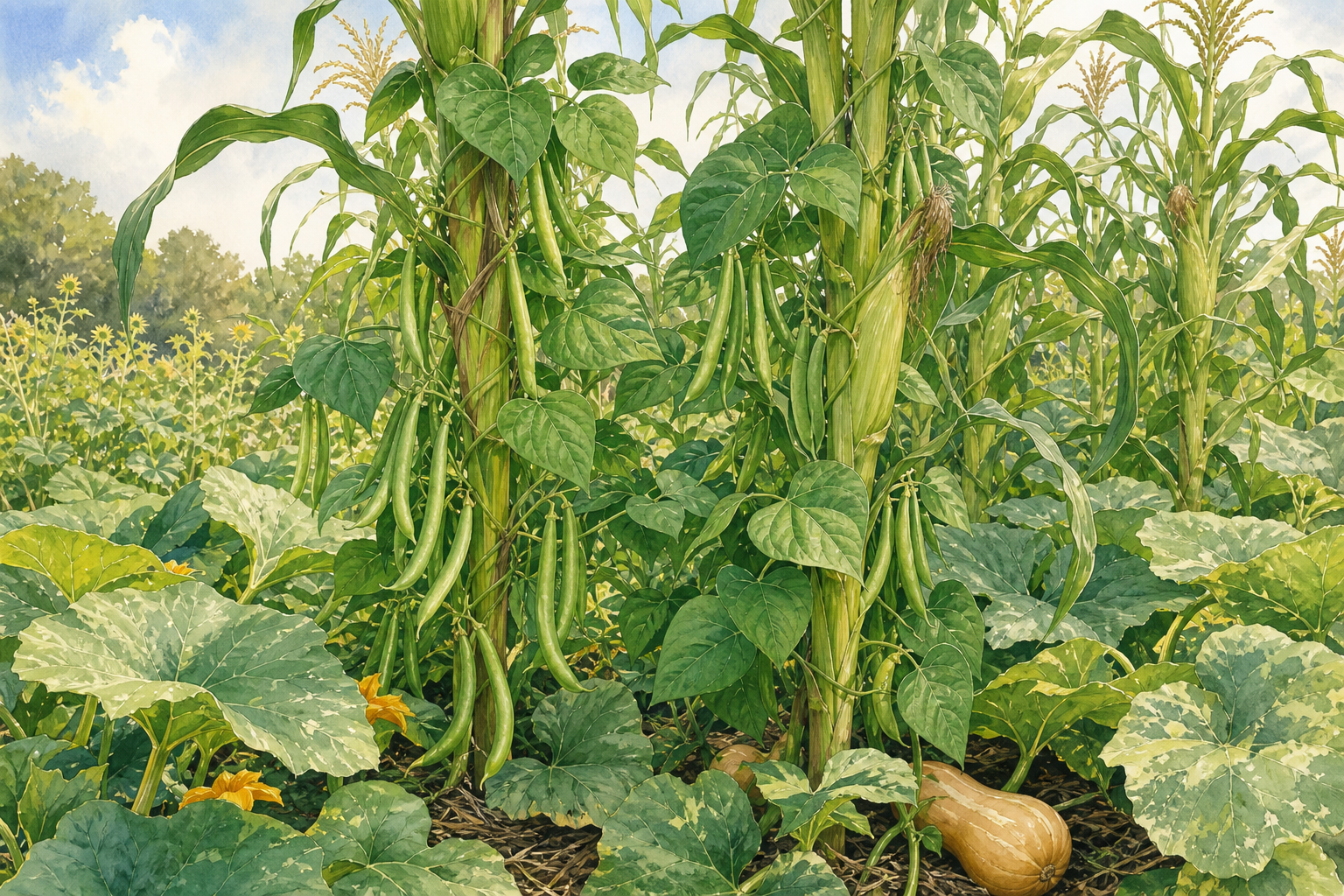
Phaseolus vulgaris
Pole beans are the climbing nitrogen-fixing layer of the Three Sisters guild, using corn stalks for support while producing a steady harvest in a compact footprint.
Favorite variety: Kentucky Wonder
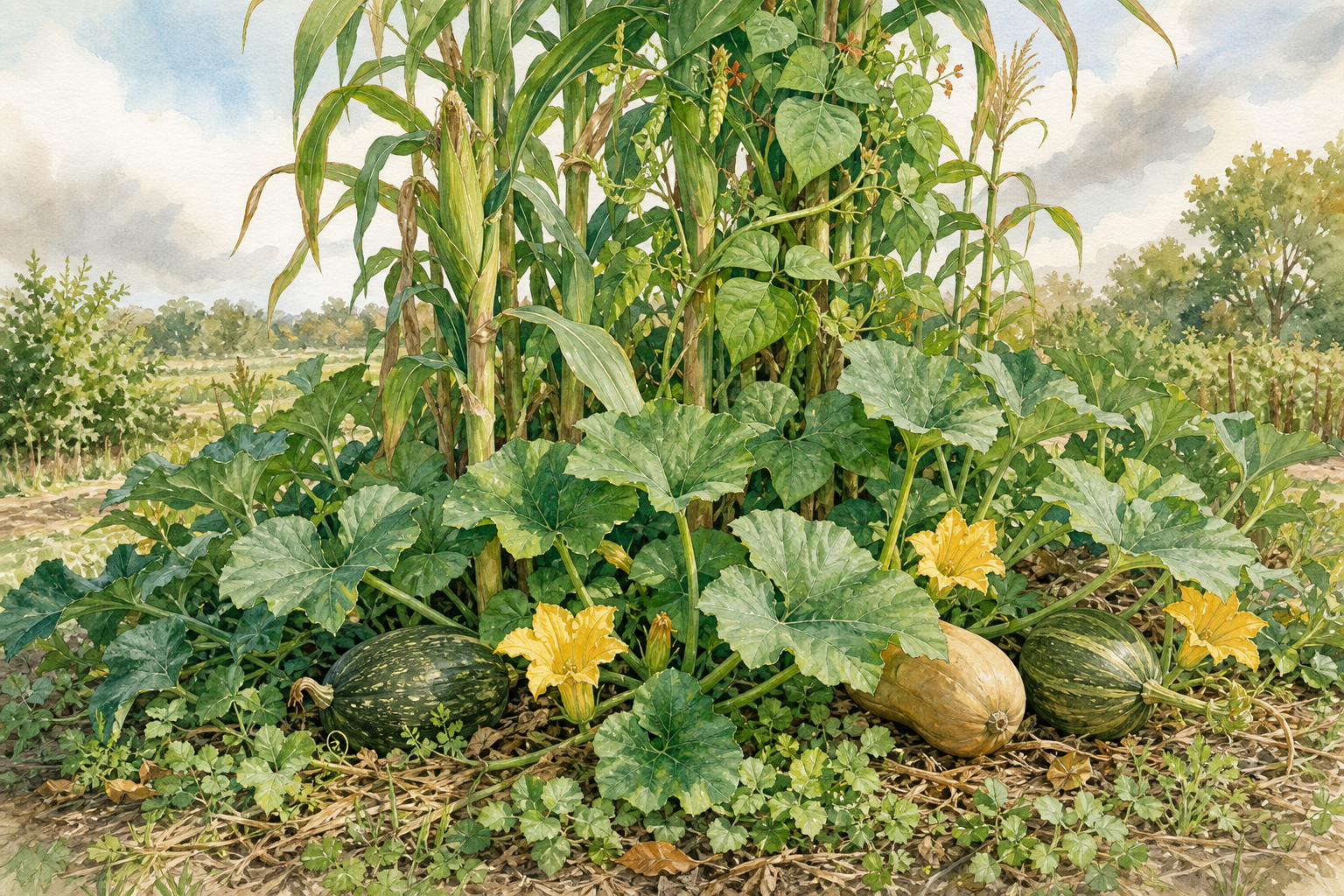
Cucurbita spp.
Winter squash forms the living mulch of the Three Sisters guild, spreading broad leaves over the mound to shade soil, slow weeds, and protect moisture while producing long-storing fruit.
Favorite variety: Waltham Butternut
We're adding new guides as the garden library grows. Start with the learning resources for general growing tips.
Explore Learning Resources