
What this guild does
Instead of relying only on repellents, this guild creates a 15- to 30-foot deer-facing strip outside the food garden. Partridge pea, goldenrod, kale, radishes, clover, and vigorous edge plants form an easy-to-renew browse zone that supports pollinators, improves soil, and fits the messy transition between lawn, woodline, and vegetable beds.
Plants in this guild
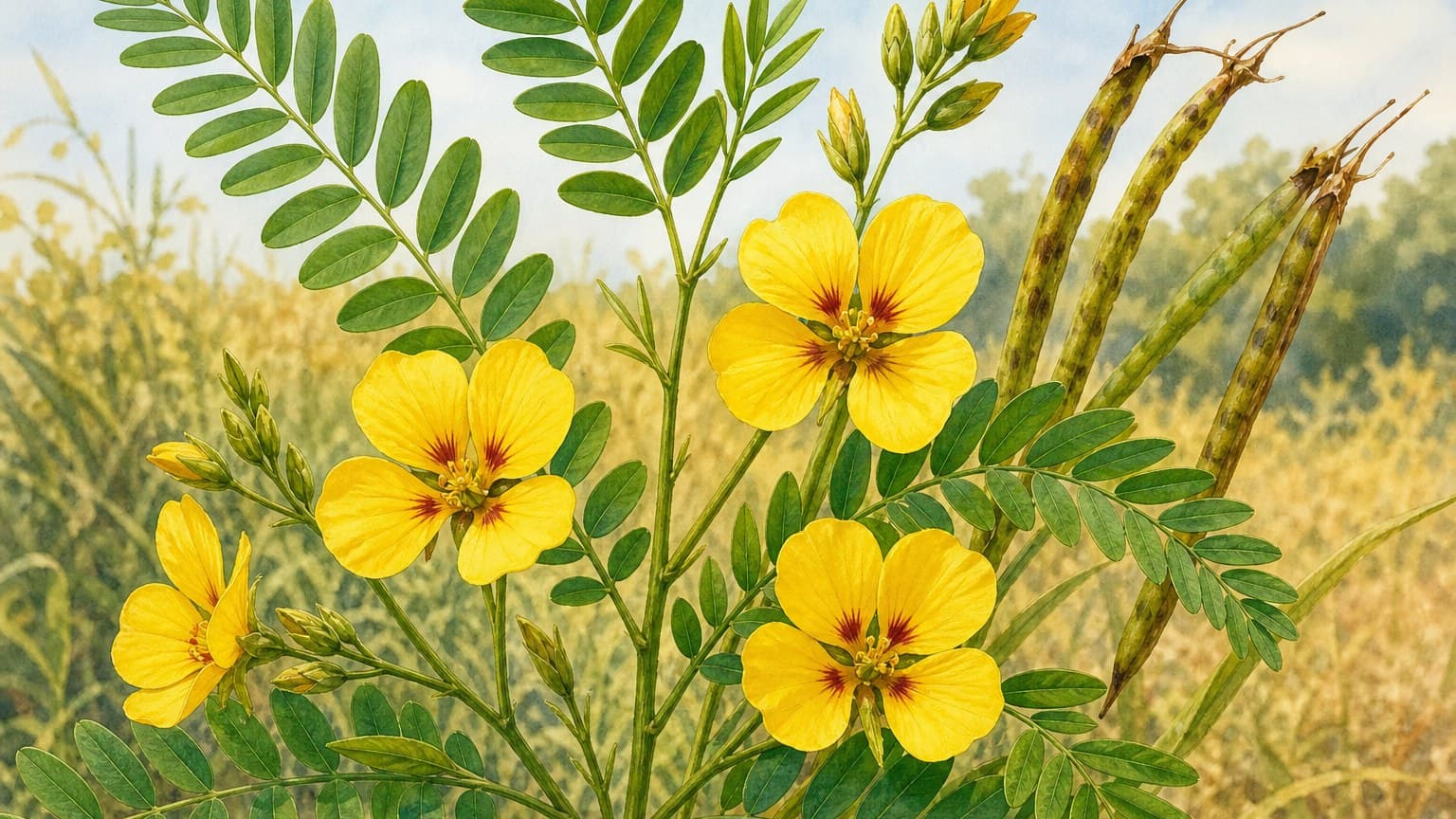
Partner 1
Partridge Pea
Distracts deer with preferred forage before they reach protected crops
Open plant guide →
Partner 2
Common milkweed
Turns rough woodland edges into useful wildlife habitat
Open plant guide →
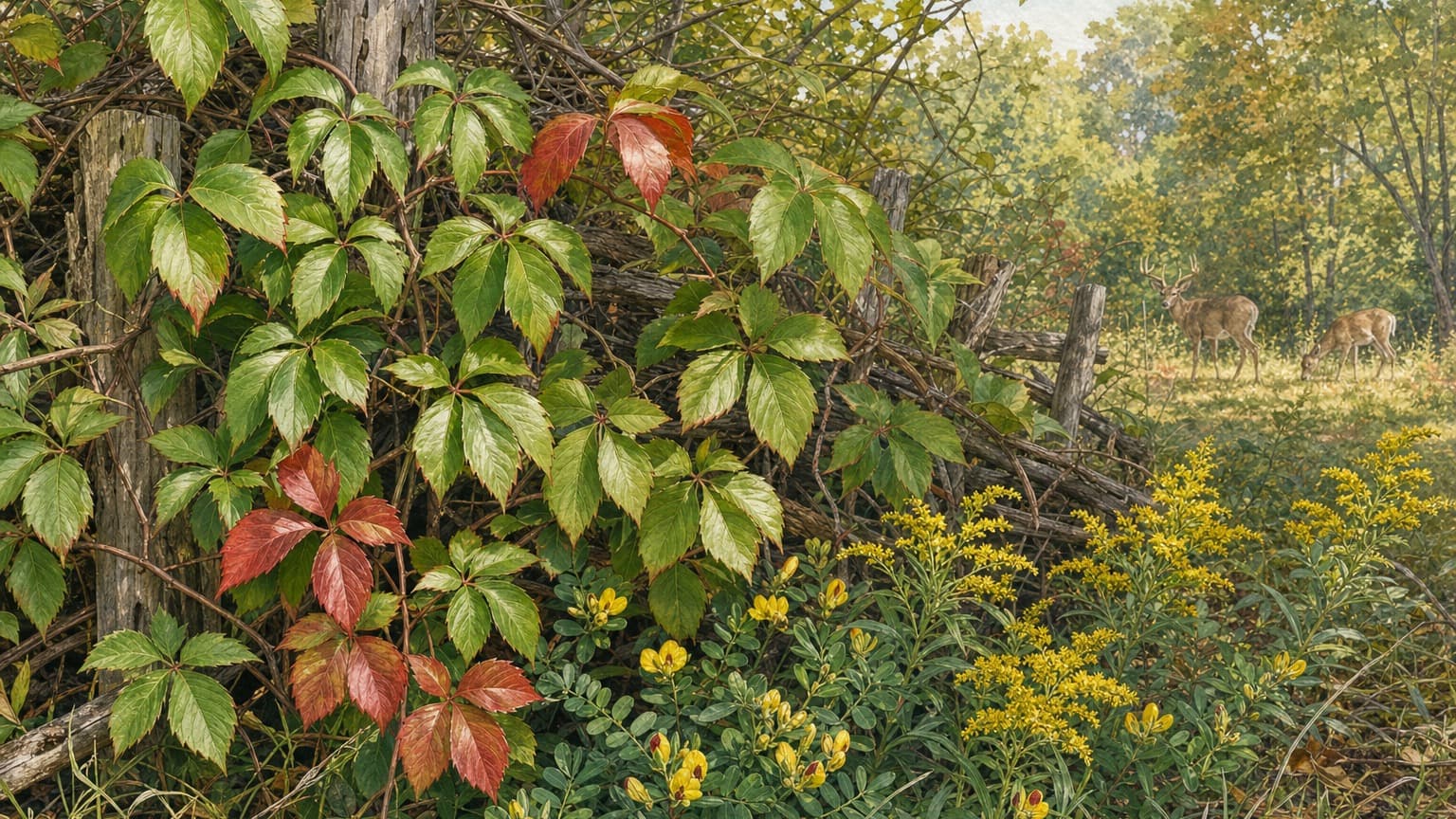
Partner 3
Virginia Creeper
Combines native reseeders with fast annual brassicas for quick coverage
Open plant guide →
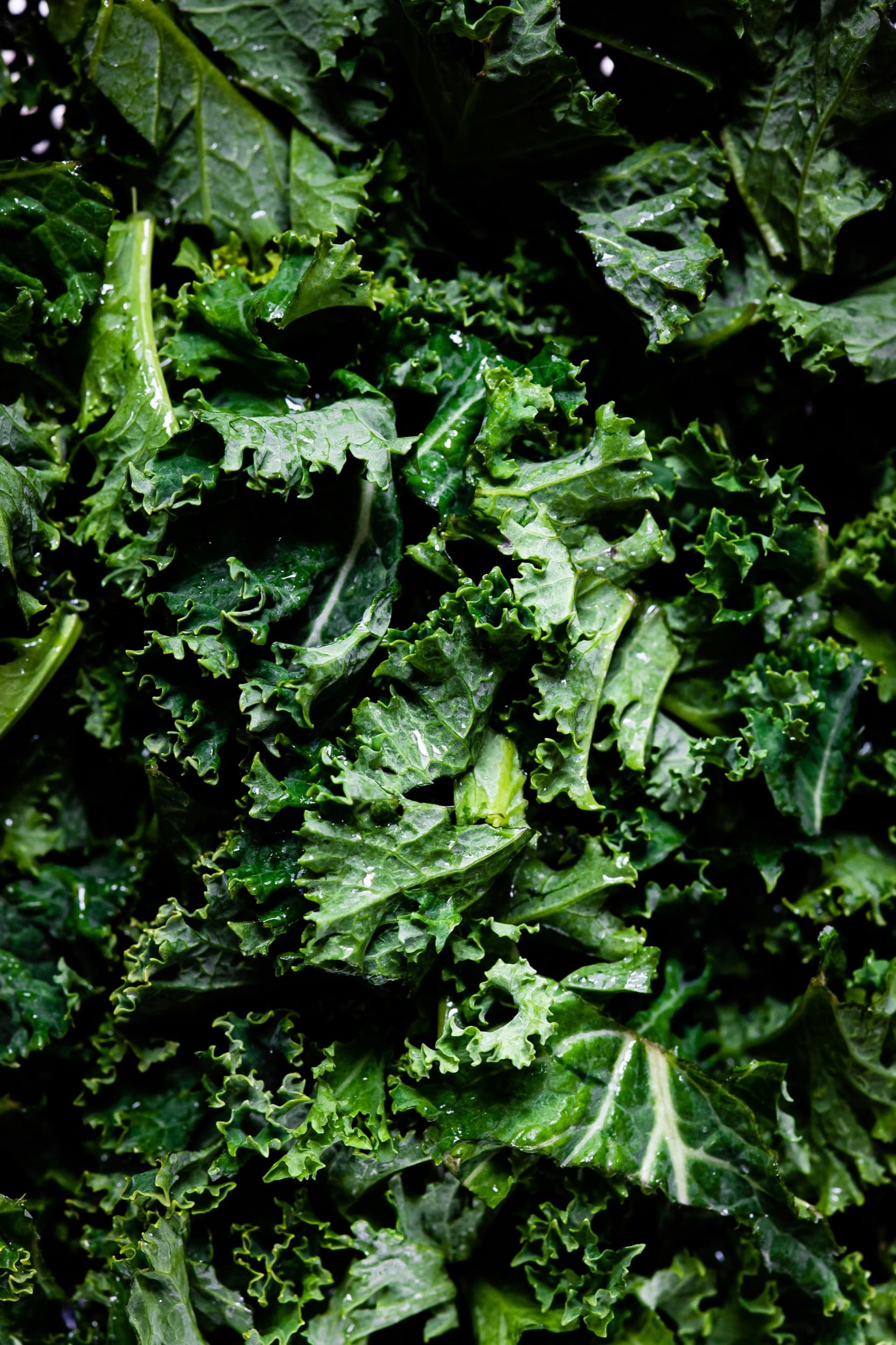
Partner 4
Kale
Improves compacted or disturbed edge soil with roots, mulch, and nitrogen fixation
Open plant guide →
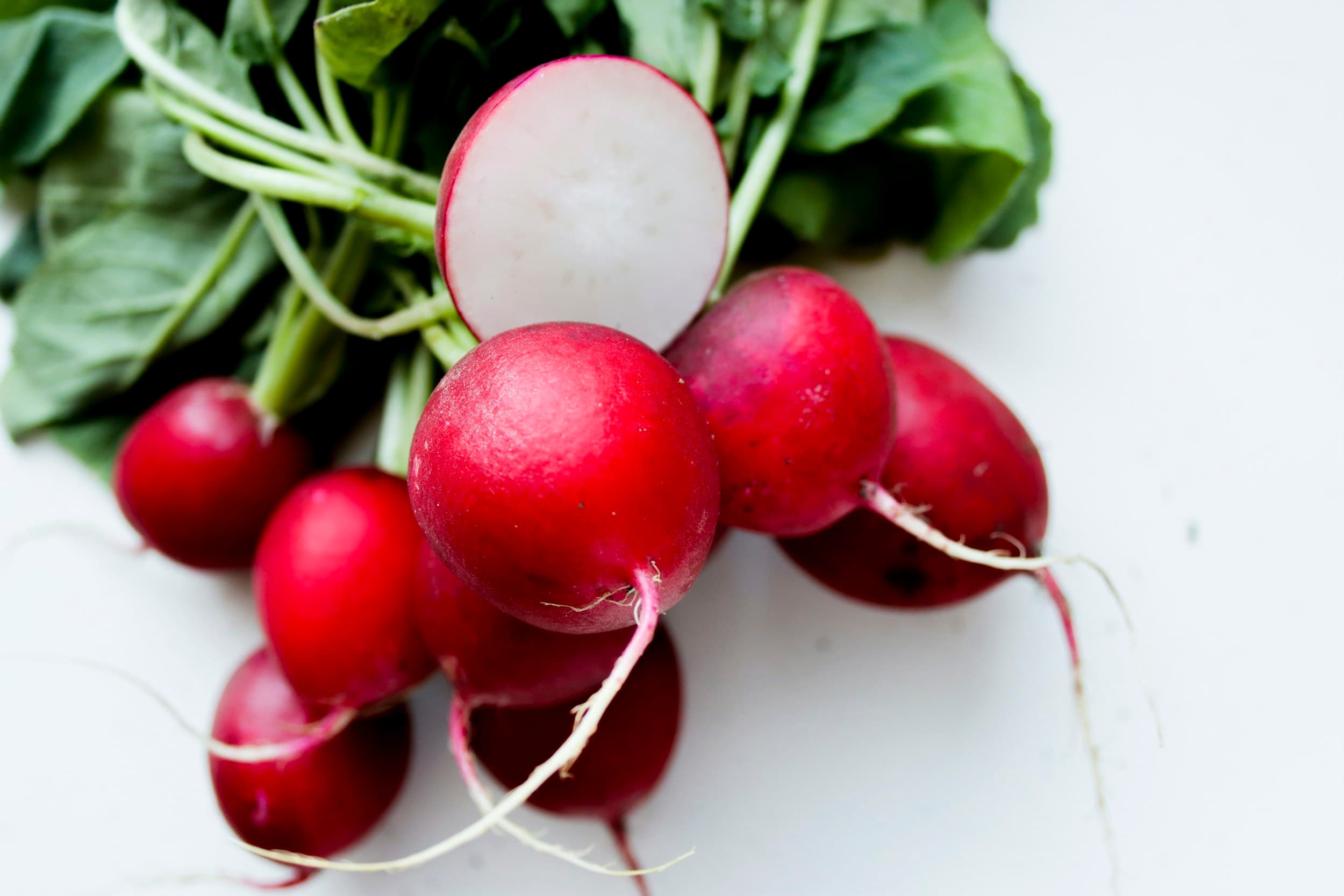
Partner 5
Radishes
Creates pollinator value while accepting controlled deer browse
Open plant guide →
Partner 6
Wrinkleleaf goldenrod
Distracts deer with preferred forage before they reach protected crops
Open plant guide →
Partner 7
White Clover
Turns rough woodland edges into useful wildlife habitat
Companion idea
Planting recipe
Use this guild like a sequence, not a seed mix. Place the anchor plants first, then tuck support species where they solve a spacing, soil, shade, or pest-pressure job.
Step 1
Start with the structure: Layered outer buffet: tall native edge plants outside, brassicas and legumes through the middle, protected garden inside.
Step 2
Use this timing and spacing rule: Broadcast annuals thickly; place perennial/native colonies 2-4 feet apart; keep a mowed inspection path on the garden side.
Step 3
Keep the footprint realistic: Best as a 15-30 foot wide strip along woodlines, fences, drive edges, or the deer-facing side of a garden.
Step 4
Fall-sow brassicas and native seed where deer already travel.
Layout and spacing
Pattern
Layered outer buffet: tall native edge plants outside, brassicas and legumes through the middle, protected garden inside
Spacing
Broadcast annuals thickly; place perennial/native colonies 2-4 feet apart; keep a mowed inspection path on the garden side
Size
Best as a 15-30 foot wide strip along woodlines, fences, drive edges, or the deer-facing side of a garden
Benefits
- Distracts deer with preferred forage before they reach protected crops
- Turns rough woodland edges into useful wildlife habitat
- Combines native reseeders with fast annual brassicas for quick coverage
- Improves compacted or disturbed edge soil with roots, mulch, and nitrogen fixation
- Creates pollinator value while accepting controlled deer browse
Maintenance
- Fall-sow brassicas and native seed where deer already travel.
- Let partridge pea, kale, radish, and clover flower or bolt in sacrificial sections so they can reseed.
- Mow paths and inner edges before seed drop if the patch starts moving toward production beds.
- Do not encourage Japanese knotweed; manage it separately even though deer may browse it.
- Protect human-harvest rows separately because these plants are intentionally deer-attractive.
What can go wrong
- Crowding the guild beyond best as a 15-30 foot wide strip along woodlines, fences, drive edges, or the deer-facing side of a garden makes harvest, airflow, and watering harder.
- Let partridge pea, kale, radish, and clover flower or bolt in sacrificial sections so they can reseed.
- Treating a guild like a random mixed bed instead of a timed recipe usually causes one plant to dominate.
Harvest notes
- Treat the outer band as wildlife forage first, not a clean human harvest bed.
- Collect partridge pea or kale seed only after enough pods have matured to renew the patch.
- Chop-and-drop spent brassicas after deer pressure declines to recycle nutrients.