
What this guild does
This guild brings together plants that thrive in similar conditions and support each other's growth. Tomatoes and basil are said to improve each other's flavor, while companion flowers attract beneficial insects and repel harmful ones. The result is healthier plants, better yields, and a beautiful, aromatic garden.
Plants in this guild
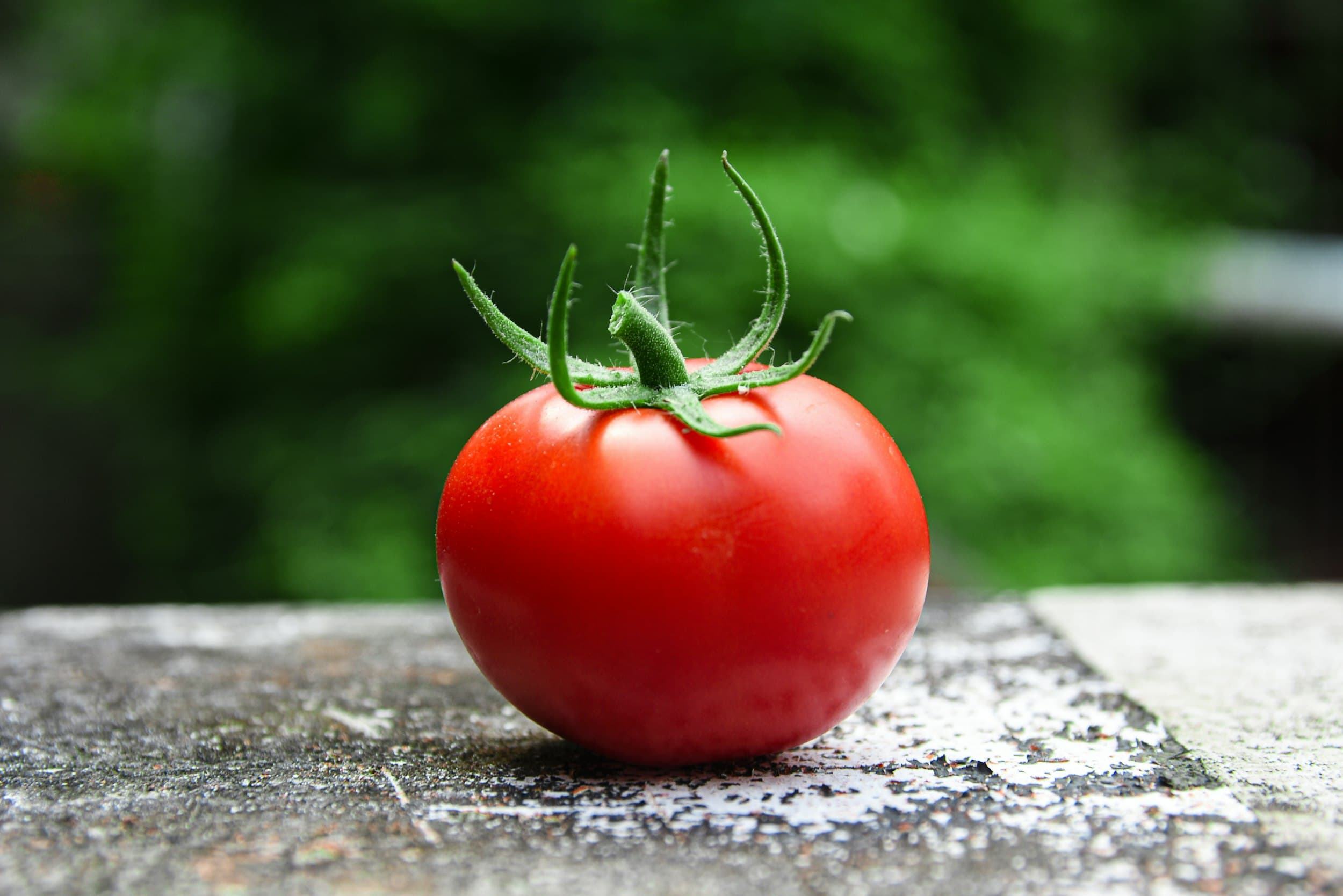
Partner 1
Tomatoes
Natural pest deterrence
Open plant guide →
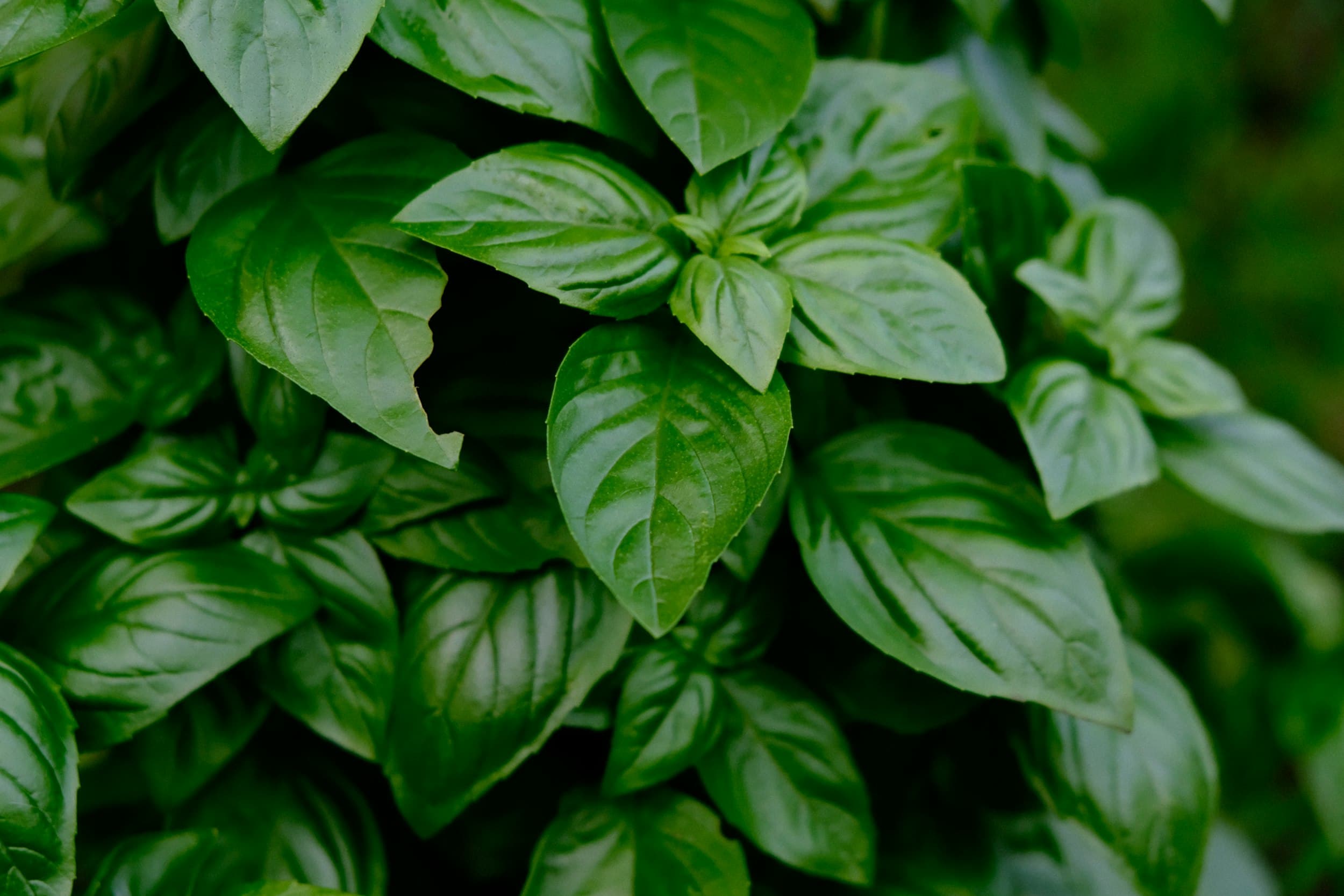
Partner 2
Basil
Improved pollination
Open plant guide →
Partner 3
Marigolds
Enhanced flavor in tomatoes and basil
Companion idea
Partner 4
Nasturtiums
Efficient use of garden space
Companion idea
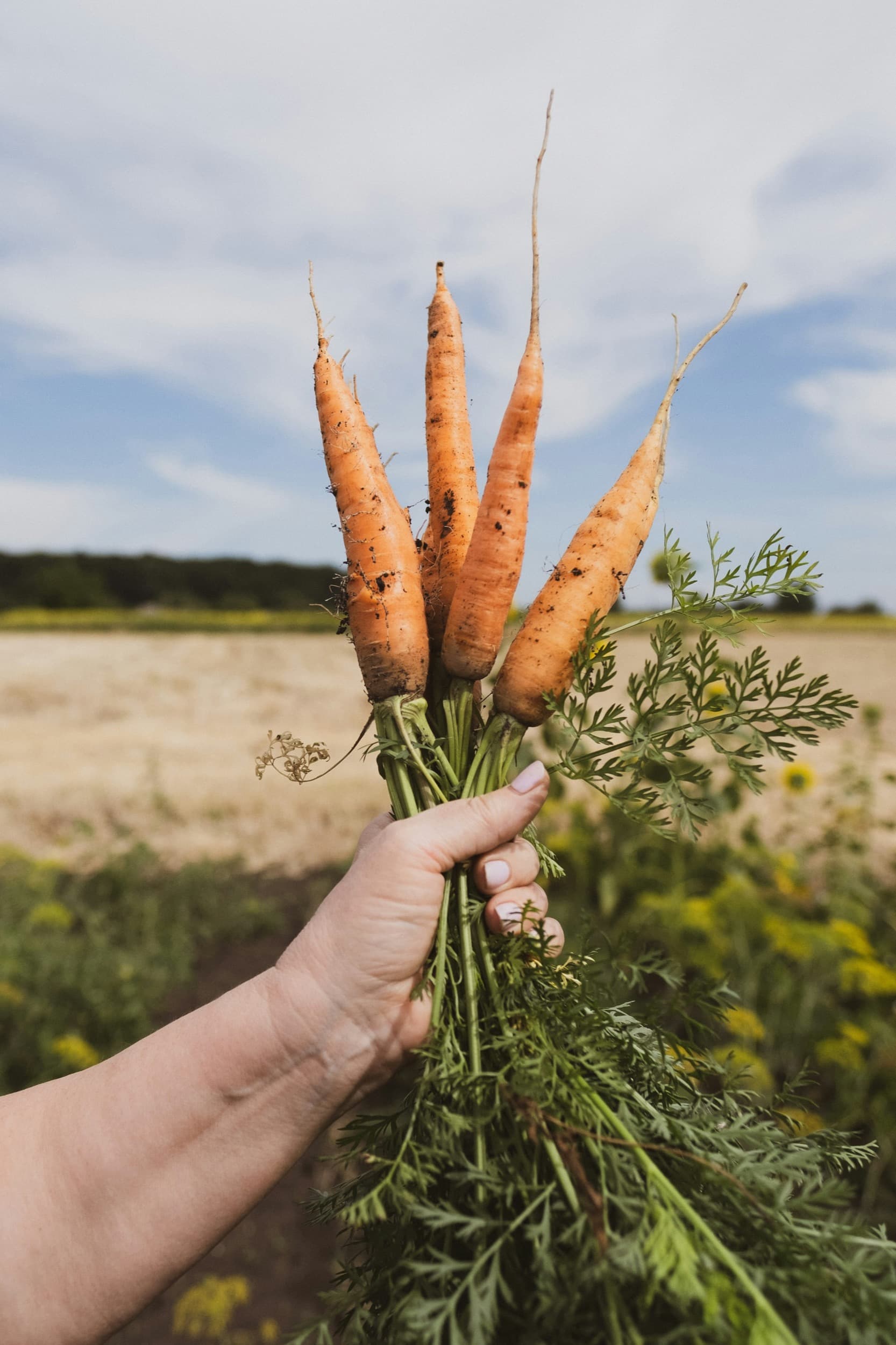
Partner 5
Carrots
Attracts beneficial insects
Open plant guide →
Partner 6
Chives
Natural pest deterrence
Companion idea
Planting recipe
Use this guild like a sequence, not a seed mix. Place the anchor plants first, then tuck support species where they solve a spacing, soil, shade, or pest-pressure job.
Step 1
Start with the structure: Central tomatoes with companions interplanted.
Step 2
Use this timing and spacing rule: Tomatoes 24-36 inches apart, herbs and flowers between.
Step 3
Keep the footprint realistic: 4x8 foot bed accommodates 6-8 tomato plants with companions.
Step 4
Plant tomatoes first, add companions after established
Layout and spacing
Pattern
Central tomatoes with companions interplanted
Spacing
Tomatoes 24-36 inches apart, herbs and flowers between
Size
4x8 foot bed accommodates 6-8 tomato plants with companions
Benefits
- Natural pest deterrence
- Improved pollination
- Enhanced flavor in tomatoes and basil
- Efficient use of garden space
- Attracts beneficial insects
Maintenance
- Plant tomatoes first, add companions after established
- Pinch basil flowers to encourage bushy growth
- Deadhead marigolds for continuous blooming
- Let some nasturtiums trail as living mulch
- Harvest carrots carefully to avoid disturbing tomato roots
What can go wrong
- Crowding the guild beyond 4x8 foot bed accommodates 6-8 tomato plants with companions makes harvest, airflow, and watering harder.
- Pinch basil flowers to encourage bushy growth
- Treating a guild like a random mixed bed instead of a timed recipe usually causes one plant to dominate.
Harvest notes
- Harvest basil frequently to prevent flowering
- Pick tomatoes when slightly soft to touch
- Nasturtium flowers and leaves are edible
- Succession plant basil for continuous harvest