
Start here (2 minutes)
These three guides make every seasonal plan more accurate.
- USDA Hardiness Zones
Translate plant survival + timing into your zone.
- Microclimates
Find heat pockets, frost hollows, wind tunnels, shade.
- Soil health
Fix the root cause behind “nothing thrives”.
Summer Gardening in Hanover County, Virginia
Summer in Hanover County is a humidity and consistency test. The same warm nights that push tomatoes, basil, okra, peppers, and sweet potatoes also push blight, weeds, deer, Japanese beetles, and drought stress between thunderstorm bursts. A good summer plan favors deep watering, airflow, mulch, and fast scouting over heroic midday gardening.
Hanover sits in the Central Virginia / Richmond edge gardening zone. That means this page should be read differently from a statewide Virginia overview: it assumes Piedmont clay, humid summers, fast storm runoff, deer pressure, and neighborhoods ranging from Mechanicsville and Atlee subdivisions to Ashland lots and rural acreage.
Hanover County seasonal snapshot
- Typical highs/lows: about 91°F / 71°F around mid-July
- Day length: about 14.5 hours in mid-July
- Main risks: heat stress, fungal disease, storm lodging, deer browsing, and uneven rain
- Nearby context: Mechanicsville, Ashland, Atlee, Studley, and north Richmond suburbs
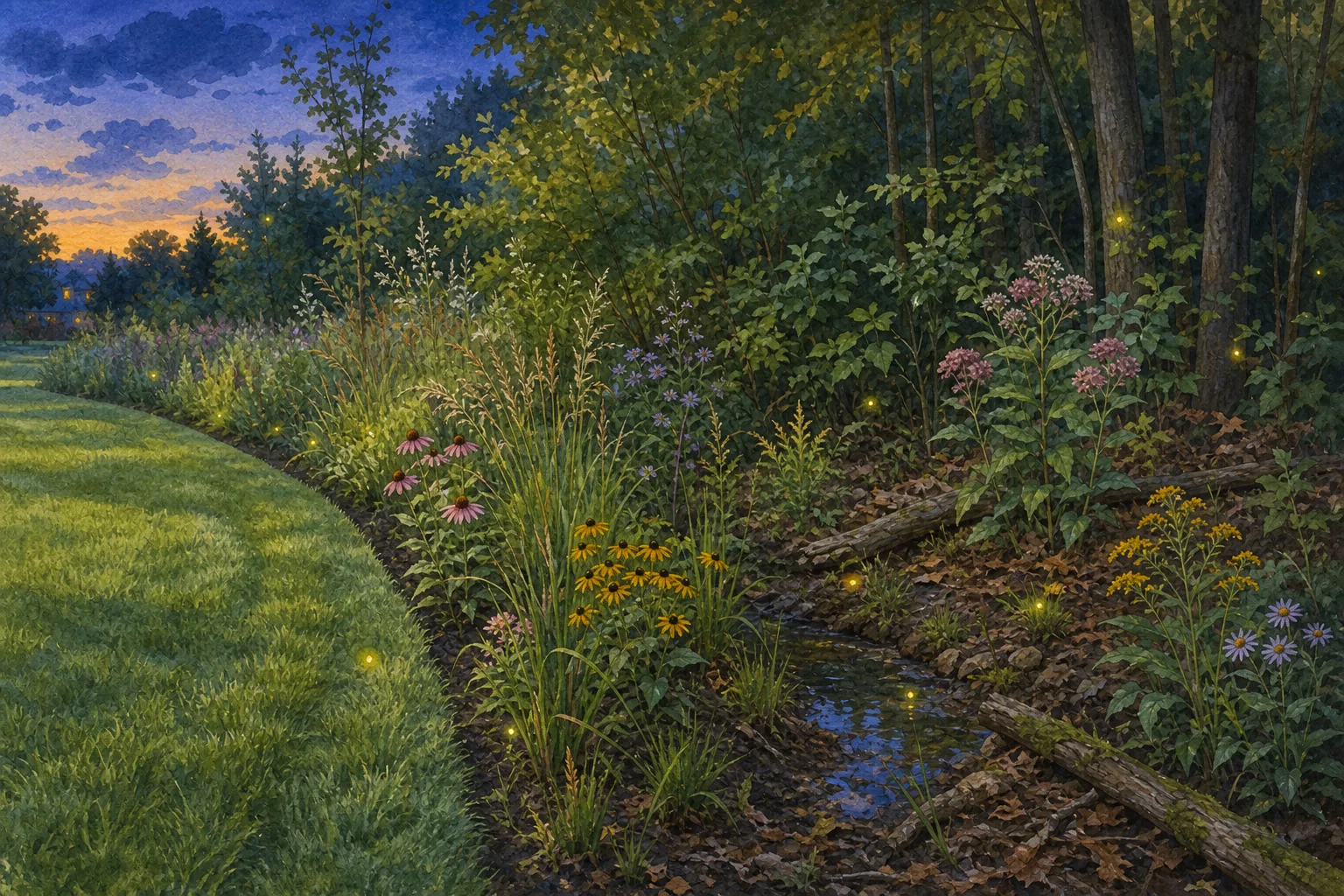
Hanover County timeline
| Window | Focus | What to tackle |
|---|---|---|
| June | Mulch and train | Mulch deeply, prune lower tomato leaves, tie trellises, and switch irrigation to deep morning watering. |
| July | Protect from heat | Use shade cloth on tender greens and transplants; harvest early; scout blight, squash bugs, and hornworms. |
| August | Start fall crops | Start fall brassicas under shade, direct sow beans where beds open, and refresh mulch after storms. |
| September | Bridge to fall | Remove diseased plants, sow cover crops, and protect young fall seedlings from deer and heat. |
What changes locally in Hanover
Hanover summer gardens need airflow as much as water. Wide tomato spacing, lower-leaf pruning, and drip irrigation reduce the leaf-wetness cycle that drives disease in Central Virginia humidity. In rural Hanover, deer fencing or netting may be the difference between “fall garden started” and “fall garden eaten.”
Practical checklist
- Water deeply in the morning; avoid daily shallow sprinkles.
- Remove diseased tomato leaves from the garden, not into active beds.
- Shade new fall transplants for their first week.
- Anchor cages and trellises before thunderstorm outflows flatten them.
Microclimate notes by local setting
- Mechanicsville and Atlee subdivisions: watch reflected heat from driveways, roof runoff near foundation beds, and compacted builder-grade soil.
- Ashland lots: older canopy can create useful afternoon shade, but tree roots compete hard in dry spells.
- Rural Hanover acreage: deer, rabbits, and wind exposure usually matter more than small-yard heat pockets.
- Low clay pockets: delay planting after heavy rain and use raised rows so roots do not sit in sealed, oxygen-poor soil.
Local resources to keep handy
- Virginia Cooperative Extension lawn and garden resources for soil testing, pest ID, and vegetable timing.
- VCE vegetable planting guide for crop windows and succession planning.
- Hanover County stormwater information when drainage, runoff, or erosion affects beds.
- Hanover Master Gardeners for local education and county garden help.
- Plant RVA Natives for Central Virginia native plant choices.
Related Smart Lawn guides
- Virginia summer gardening
- Central Virginia lightning bug habitat and native plants
- Assessing your property microclimates
- Building soil health and fertility
Why this county page matters
Hanover County is the first local pilot for the Virginia expansion. The page pattern should be strong enough to reuse for Henrico, Chesterfield, Richmond, and other Virginia locations after keyword validation—not just copied state text with a county name swapped in.
Double-check local timing
This guide uses USDA zones + a climate snapshot to get you in the right window. For hyper-local planting dates and pest alerts, check your county’s Cooperative Extension office.
Climate snapshot sources
Used for a seasonal “feel” snapshot (not a substitute for local forecasts).
Found what you need?
Bookmark this page or share it with your local gardening group.