
Start here (2 minutes)
These three guides make every seasonal plan more accurate.
- USDA Hardiness Zones
Translate plant survival + timing into your zone.
- Microclimates
Find heat pockets, frost hollows, wind tunnels, shade.
- Soil health
Fix the root cause behind “nothing thrives”.
Fall Gardening in Hanover County, Virginia
Fall is one of Hanover County’s best gardening seasons because warm soil, cooler nights, and regular leaf supply all work in your favor. The trick is starting early enough: many fall crops need to germinate in late-summer heat, then mature as Ashland, Mechanicsville, and rural Hanover settle into milder Central Virginia weather.
Hanover sits in the Central Virginia / Richmond edge gardening zone. That means this page should be read differently from a statewide Virginia overview: it assumes Piedmont clay, humid summers, fast storm runoff, deer pressure, and neighborhoods ranging from Mechanicsville and Atlee subdivisions to Ashland lots and rural acreage.
Hanover County seasonal snapshot
- Typical highs/lows: about 71°F / 49°F around mid-October
- Day length: about 11 hours in mid-October
- Main risks: planting too late, dry fall starts, deer browse, leaf-smothered crowns, and first-frost complacency
- Nearby context: Mechanicsville, Ashland, Atlee, Studley, and north Richmond suburbs
Hanover County timeline
| Window | Focus | What to tackle |
|---|---|---|
| September | Start cool crops | Transplant brassicas, sow greens and radish, and shade seedlings during hot afternoons. |
| October | Plant garlic and natives | Plant garlic, divide perennials, add native shrubs/perennials, and collect shredded leaves for mulch. |
| November | Cover and compost | Sow rye/clover where beds are empty; mulch leaves into paths and compost without burying crowns. |
| December | Protect late harvests | Cover greens before hard freezes and review notes for next year’s Hanover planting calendar. |
What changes locally in Hanover
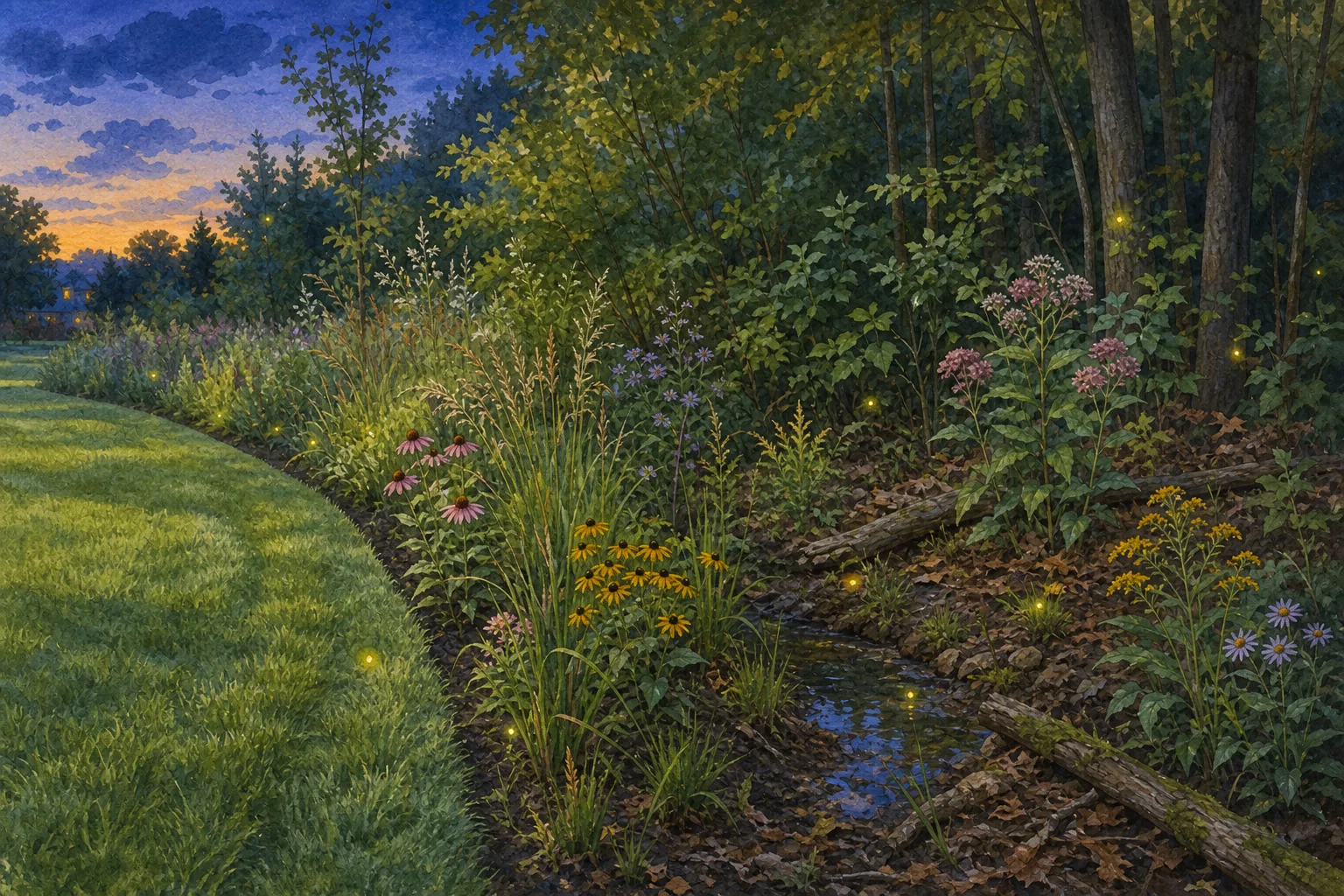
Hanover fall success depends on using leaves well. Shredded leaves are excellent for paths, compost, and winter mulch, but whole mats can shed water and smother small crowns. Keep mulch pulled back from garlic and perennial centers, and use fall native planting to support pollinators without adding summer irrigation burden.
Practical checklist
- Start fall brassicas before the weather feels like fall.
- Plant garlic where spring drainage is reliable.
- Use cover crops on empty clay beds to protect structure.
- Fence young greens and native plugs before deer discover them.
Microclimate notes by local setting
- Mechanicsville and Atlee subdivisions: watch reflected heat from driveways, roof runoff near foundation beds, and compacted builder-grade soil.
- Ashland lots: older canopy can create useful afternoon shade, but tree roots compete hard in dry spells.
- Rural Hanover acreage: deer, rabbits, and wind exposure usually matter more than small-yard heat pockets.
- Low clay pockets: delay planting after heavy rain and use raised rows so roots do not sit in sealed, oxygen-poor soil.
Local resources to keep handy
- Virginia Cooperative Extension lawn and garden resources for soil testing, pest ID, and vegetable timing.
- VCE vegetable planting guide for crop windows and succession planning.
- Hanover County stormwater information when drainage, runoff, or erosion affects beds.
- Hanover Master Gardeners for local education and county garden help.
- Plant RVA Natives for Central Virginia native plant choices.
Related Smart Lawn guides
- Virginia fall gardening
- Central Virginia lightning bug habitat and native plants
- Assessing your property microclimates
- Building soil health and fertility
Why this county page matters
Hanover County is the first local pilot for the Virginia expansion. The page pattern should be strong enough to reuse for Henrico, Chesterfield, Richmond, and other Virginia locations after keyword validation—not just copied state text with a county name swapped in.
Double-check local timing
This guide uses USDA zones + a climate snapshot to get you in the right window. For hyper-local planting dates and pest alerts, check your county’s Cooperative Extension office.
Climate snapshot sources
Used for a seasonal “feel” snapshot (not a substitute for local forecasts).
Found what you need?
Bookmark this page or share it with your local gardening group.